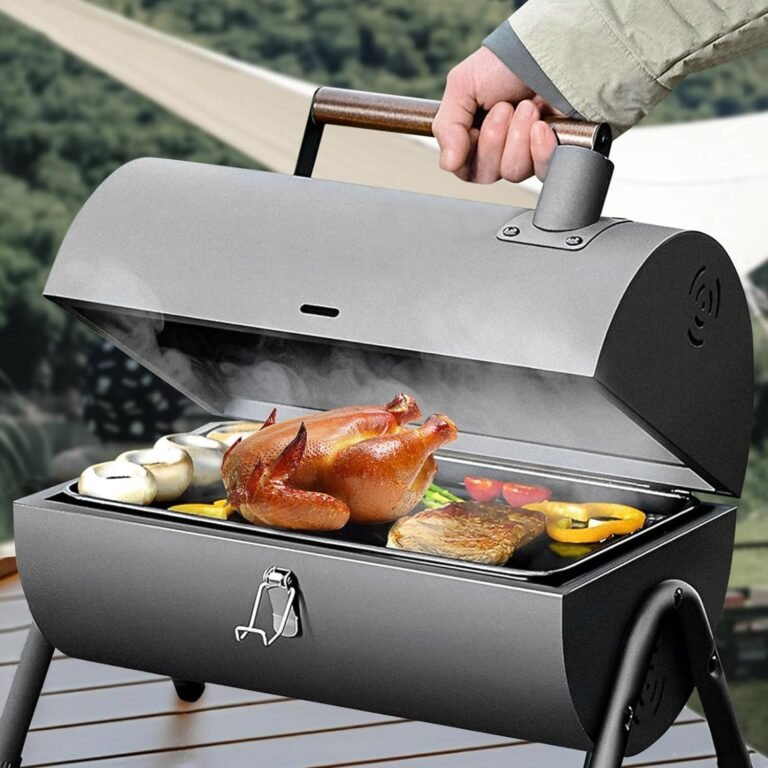
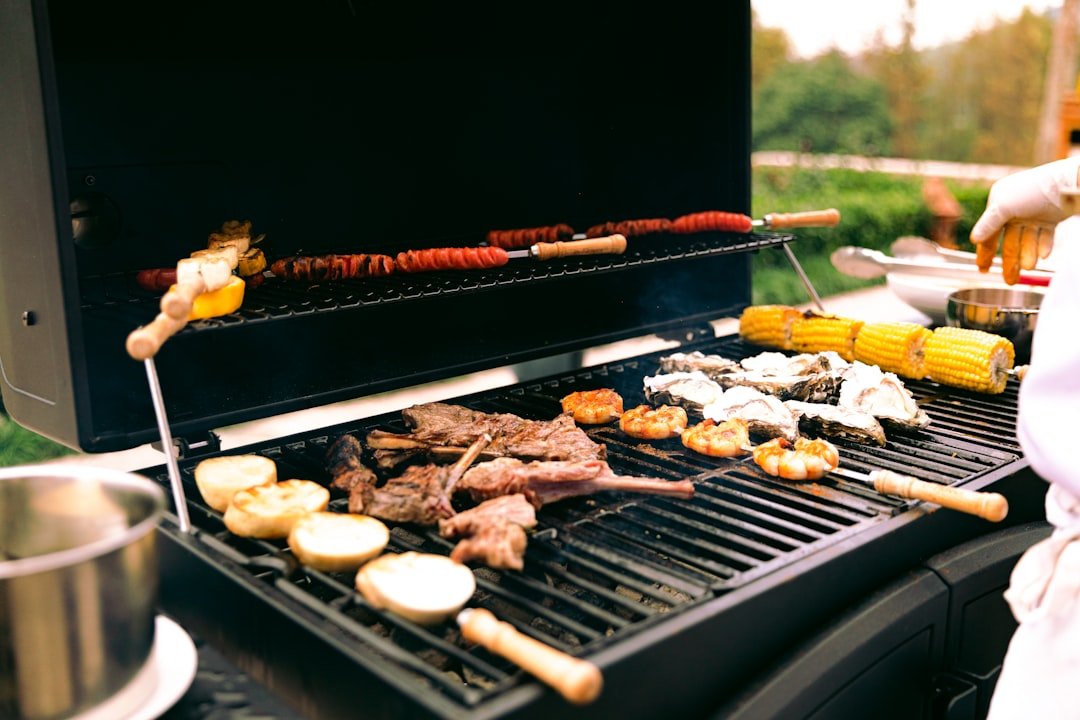
Get Grilling: Gas Grill Sale Now On!
Looking to fire up your outdoor cooking game? If you’ve been eyeing a new gas grill, now’s a great time to buy because there are some excellent sales happening. Whether you’re a seasoned grill master or just getting started, finding the right gas grill can make all the difference in your backyard feasts.
Gas grills have become incredibly popular, and for good reason! They offer a level of convenience and control that’s hard to beat. If you’re tired of fussing with charcoal or waiting for briquettes to ash over, a gas grill could be a game-changer for your outdoor cooking routine.
Instant Heat, Instant Grilling
One of the big draws of gas grills is how quickly they heat up. No more long waits! You can be ready to cook in a matter of minutes, which is perfect for those spontaneous weeknight dinners or when unexpected guests drop by. Think about it: less time prepping, more time enjoying your food and company.
Precise Temperature Control
Unlike charcoal, where temperature management can be a bit of an art, gas grills offer burner controls that let you adjust the heat with precision. This means you can easily sear steaks at a high temperature on one side and gently cook delicate fish or veggies on a lower heat zone. This versatility opens up a world of culinary possibilities, from slow roasting to high-heat searing.
Easy Cleanup, Less Fuss
Let’s be honest, cleaning up after a BBQ isn’t anyone’s favorite task. With gas grills, there’s no ash to dispose of. Most modern gas grills also have removable grease trays that make cleanup a breeze. A quick brush of the grates, empty the tray, and you’re pretty much done. This convenience means you’re more likely to use your grill more often, making the investment worthwhile.
Versatility for All Your Recipes
Beyond just burgers and hot dogs, gas grills can handle a surprising variety of dishes. With multiple burners, you can create different heat zones for indirect cooking, which is ideal for larger cuts of meat like roasts or whole chickens. Many models also come with side burners, allowing you to prepare sauces, boil corn, or sauté vegetables right alongside your main dish, saving you trips back and forth to the kitchen.
If you’re considering upgrading your outdoor cooking experience with a new gas grill, you might also be interested in enhancing your lawn care routine. A related article that discusses the benefits of automated lawn maintenance is available at this link: Gardena 15101-41 Sileno Life Automatic Robotic Lawn Mower Review. This review highlights how a robotic mower can save you time and effort, allowing you to focus on enjoying your new grill and hosting outdoor gatherings.
What to Look for in a Gas Grill Sale
Stepping into a grill store can feel overwhelming with all the options available. Knowing what features are important will help you sift through the sales and find a grill that truly fits your needs and budget.
Burner Power and Configuration
The “BTUs” (British Thermal Units) often get cited as a measure of power, but it’s more about how efficiently that heat is distributed. A grill with lower BTUs per square inch but well-designed burners can outperform a higher BTU grill with poor heat distribution. Look for burners made from durable materials like stainless steel.
Number of Burners
This often dictates your cooking flexibility.
- 2-burner grills are great for small families or couples, perfect for a few burgers or steaks.
- 3-4 burner grills offer much more versatility, allowing you to create distinct heat zones for different foods. This is the sweet spot for most families.
- 5+ burner grills are for serious entertainers or larger families, offering expansive cooking surfaces and various heat settings.
Infrared Burners
Some higher-end models include an infrared burner, often for searing. These get extremely hot, very quickly, and are fantastic for putting that perfect sear on a steak. If you love crispy crusts and juicy interiors, an infrared burner is a feature to strongly consider.
Grate Material Matters
The material of your cooking grates impacts both heat retention and longevity.
Cast Iron
These grates retain heat exceptionally well, leading to beautiful sear marks. They do require a bit more maintenance to prevent rust, often needing to be seasoned like a cast-iron skillet.
Stainless Steel
Durable and easy to clean, stainless steel grates are a popular choice. They don’t retain heat quite as well as cast iron but are highly resistant to rust and corrosion.
Porcelain-Coated Cast Iron
This combines the best of both worlds: the heat retention of cast iron with the easy-to-clean and rust-resistant properties of porcelain enamel. These are often a great balance for many users.
Construction and Durability
A grill is an investment, and you want it to last more than just a couple of seasons. Pay attention to the materials used in the construction of the firebox, lid, and overall frame.
Stainless Steel Grades
Not all stainless steel is created equal. Look for higher grades like 304 stainless steel if durability is a priority. Cheaper grills might use lower grades (like 430), which can be more prone to corrosion over time.
Double-Walled Lids
A double-walled lid provides better insulation, helping to maintain consistent temperatures, especially on windy days or when doing indirect cooking. This also means the exterior of the lid stays cooler to the touch.
Extra Features to Consider
Beyond the basics, many grills come with additional features that can enhance your grilling experience.
Side Burners
As mentioned, these are incredibly handy for preparing side dishes without needing to go back indoors.
Rotisserie Kits
If you love cooking whole chickens, roasts, or even gyros, a built-in rotisserie can be a fantastic addition. Many grills come with the motor and spit included, or at least are “rotisserie-ready.”
Storage and Side Tables
Plenty of workspace is crucial. Look for grills with ample side tables for prep and serving. Enclosed storage cabinets can also be useful for keeping propane tanks out of sight and storing grilling tools.
Built-in Thermometers
While often present, the accuracy of built-in lid thermometers can vary. Consider these a general guide and invest in a good quality instant-read thermometer for precise meat temperatures.
Understanding the Different Types of Gas Grills
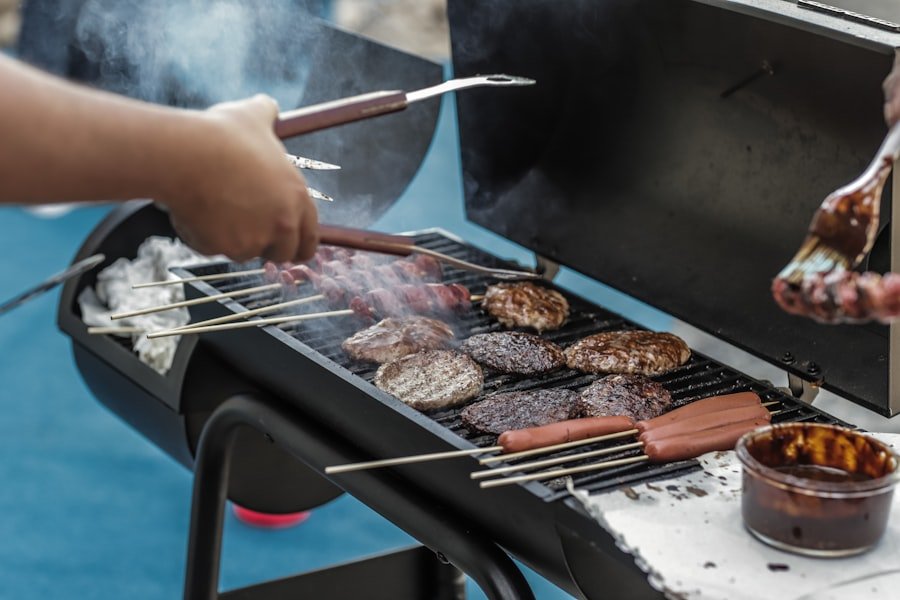
When you see “gas grill sale,” it typically refers to propane gas grills. However, it’s worth knowing the other options, as some models can be converted.
Propane Gas Grills (LP)
These are the most common type. They use standard propane tanks (20-pound tanks being the most prevalent) that are easily swapped out at most grocery stores, hardware stores, and gas stations.
Portability
While not truly “portable” like a camping grill, propane grills offer flexibility in terms of placement in your yard, as they don’t need to be hooked up to a gas line.
Tank Management
The main downside is needing to monitor your fuel level. Nothing worse than running out of propane in the middle of cooking! Many grills now include a fuel gauge to help with this.
Natural Gas Grills (NG)
If you have a natural gas line hooked up to your home, a natural gas grill can be incredibly convenient. You’ll never run out of fuel mid-cook.
Permanent Installation
Natural gas grills require a permanent connection to your home’s gas line, often involving professional installation. This means they’re usually fixed in one spot in your yard.
Conversion Kits
Some propane grills can be converted to natural gas with a conversion kit, but always check the manufacturer’s specifications and ensure it’s done by a qualified technician.
Setting Up Your New Gas Grill Safely
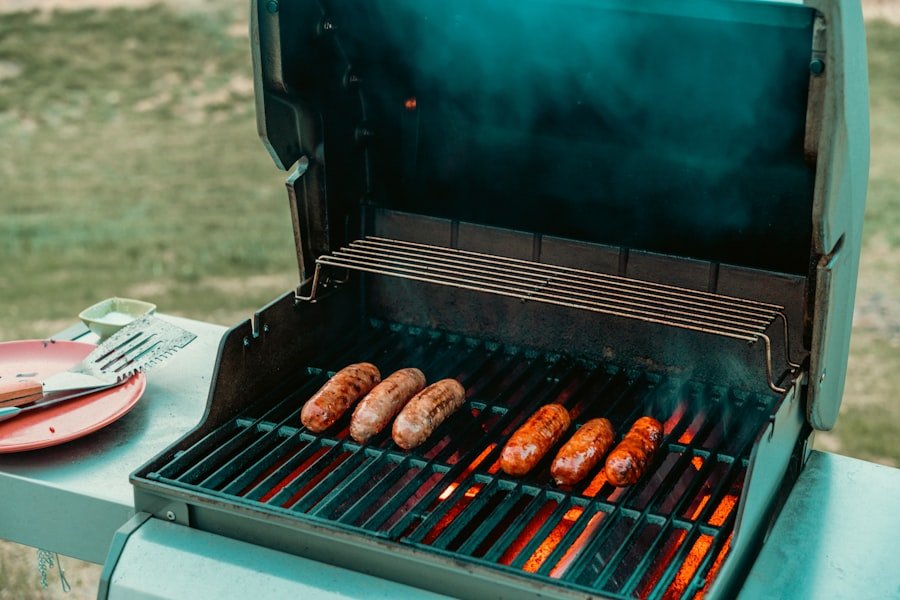
Once you’ve snagged a great deal, proper setup is key for both performance and safety. Don’t rush this part!
Assembly Tips
Most grills come “unassembled” to some degree. Read the manual thoroughly before you start. Many manufacturers provide excellent step-by-step instructions, sometimes even video tutorials online. Having a friend help can make the process much smoother.
Tools You’ll Need
Typically, you’ll need a screwdriver (Phillips and/or flathead), adjustable wrenches, and sometimes a socket wrench set. Make sure you have these on hand before you begin.
Leak Test
This is CRITICAL! Before your first cook, perform a leak test on all gas connections. Use soapy water (a mix of dish soap and water in a spray bottle). Spray it on all connections; if you see bubbles, you have a leak. Tighten the connection or consult the manual for troubleshooting. Never use a grill with a gas leak!
Proper Placement
Where you put your grill matters.
Clearance from Combustibles
Always place your grill on a level surface and at a safe distance from your house, fences, trees, and any other combustible materials. The manufacturer’s manual will specify minimum clearance distances – follow them!
Ventilation
Ensure your grill is in an open area with good airflow. Never use a gas grill indoors or in an enclosed space like a garage, as this poses a carbon monoxide poisoning risk.
If you’re considering upgrading your outdoor cooking experience, you might want to check out the latest deals on gas grills available this season. These grills offer a fantastic way to enjoy barbecuing with family and friends. Additionally, if you’re interested in enhancing your lawn care routine, you can read about the benefits of using a robotic mower in this insightful article on electric mowers. For more information, visit this review to discover how a robotic mower can complement your outdoor lifestyle.
Maintaining Your Gas Grill for Longevity
| Gas Grill Sale Metrics | 2019 | 2020 | 2021 |
|---|---|---|---|
| Units Sold | 500 | 600 | 700 |
| Revenue | 25000 | 30000 | 35000 |
| Average Price | 50 | 50 | 50 |
A little care goes a long way in ensuring your new grill performs well for years to come.
Regular Cleaning Routine
This isn’t just about appearances; it impacts how your food cooks and the lifespan of your grill.
After Each Use
Brush your grates while they’re still warm (but not scorching hot) to remove food residue. This prevents buildup, which can affect heat distribution and even lead to flare-ups.
Deep Cleaning (Seasonally or Monthly)
Every few months (or more often if you grill frequently), give your grill a thorough cleaning.
- Burners: Check burner ports for blockages (food debris, spider webs). Use a fine wire brush or a paper clip to clear them.
- Heat Deflectors/Flavorizer Bars: Scrape off any accumulated grease and debris. These protect your burners and vaporize drips to create that smoky flavor.
- Grease Tray: Empty and clean the grease tray regularly to prevent grease fires and infestations.
- Exterior: Wipe down the exterior with a grill-safe cleaner (stainless steel cleaner for stainless surfaces).
Cover Your Grill
A good grill cover is like sunscreen for your grill. It protects it from the elements – rain, sun, dust, and even curious critters. Investing in a durable, weather-resistant cover will significantly extend the life of your grill.
Annual Inspection
Once a year, give your grill a thorough inspection:
- Hoses and Connections: Check for cracks, fraying, or wear. Replace them if necessary.
- Ignition System: Ensure the igniter is sparking correctly. If not, clean it or replace the battery.
- Burner Flame: When lit, the flames should be predominantly blue with yellow tips. If you see very orange or yellow flames, your burners might be dirty or clogged.
Unleashing Your Inner Grill Master
With your new grill fired up, it’s time to get cooking! Don’t be afraid to experiment beyond the usual burgers.
Experiment with Flavors
Gas grills are perfect for marinating, using dry rubs, and even adding wood chips in a smoker box for a touch of smoky flavor without the hassle of a traditional smoker.
Zone Cooking
Master the art of zone cooking by setting different burners to different temperatures. Sear intensely on one side, then move to a cooler zone to finish cooking gently. This is fantastic for thicker cuts of meat.
Don’t Forget the Veggies!
Grilled vegetables are incredibly delicious. Asparagus, bell peppers, zucchini, corn on the cob – they all transform with a bit of char and smoky flavor. Use a grill basket for smaller items to prevent them from falling through the grates.
Think Beyond Dinner
Why limit grilling to just dinner? Grilled fruit (like peaches or pineapple) makes a fantastic dessert, and you can even grill breakfast items like bacon or sausages for a delicious outdoor breakfast.
So, if you’re ready to elevate your outdoor cooking experience and enjoy the convenience and control a gas grill offers, now truly is an opportune time to explore the sales. Happy grilling!