Mastering the Art of Grilling with Pit Boss Pellet Grill
So, you’ve got yourself a Pit Boss pellet grill, and you’re wondering how to get the most out of it? You’ve come to the right place. The simple answer is, it’s all about understanding how these unique grills work and then applying some practical techniques. They offer a fantastic blend of smoky flavor and convenient temperature control, but there are a few things to keep in mind to consistently produce amazing food. This article will walk you through everything from assembly and first cooks to advanced smoking methods, all aimed at helping you become a Pit Boss master.
First things first, let’s get that bad boy assembled and ready for action. Don’t skip these initial steps; they’re crucial for a good experience down the line.
Assembly and Initial Burn-In
When your Pit Boss arrives, it’s a bit like a big puzzle. Take your time with the assembly instructions. They’re usually pretty straightforward, but rushing can lead to loose parts or, worse, a fire hazard. Once it’s all put together, you’ll need to cure it – this is often called a “burn-in.”
The burn-in process is important for a few reasons. It burns off any manufacturing oils or residues, prevents rust, and essentially seasons the internal components. To do this, load your hopper with pellets (any type is fine for the burn-in), set the grill to its highest temperature, and let it run for about an hour. You’ll likely see some smoke, which is normal. This step prepares the grill for its first real cook.
Understanding Your Pellets
Pellets are the fuel that makes your Pit Boss sing. They’re compressed sawdust, and different wood types impart different flavors.
- Hardwoods are Key: Pit Boss grills use hardwood pellets. Avoid using softwoods, as they can produce off-flavors and excessive creosote.
- Flavor Profiles:
- Hickory: Strong, classic BBQ flavor, great for beef, pork, and chicken.
- Mesquite: Very strong, pungent flavor, best for dark meats like beef or game. Use sparingly.
- Apple: Mild and fruity, excellent for pork, poultry, and fish.
- Cherry: Slightly sweeter than apple, good for almost anything, especially pork and chicken.
- Oak: Medium, consistent flavor, versatile for most meats.
- Competition Blend: Often a mix of several hardwoods, designed for versatility.
- Storage Matters: Keep your pellets dry! Moisture will cause them to expand, break down, and potentially jam your auger. Store them in airtight containers in a cool, dry place.
If you’re looking to enhance your outdoor cooking experience, you might find it interesting to explore the features of the Pit Boss pellet grill, which offers a unique blend of convenience and flavor. For those interested in optimizing their outdoor spaces, you can check out a related article on the Gardena 15101-41 Sileno Life Automatic Robotic Lawn Mower, which discusses how to maintain a beautiful lawn while you enjoy grilling. Read more about it here: Gardena 15101-41 Sileno Life Review.
Mastering Temperature Control and Smoke Flavor
The beauty of a pellet grill lies in its ability to maintain consistent temperatures and deliver excellent smoke. But there are nuances to both.
The Science of Temperature Stability
Your Pit Boss uses an auger to feed pellets into a burn pot, where an igniter lights them, and a fan helps circulate the heat and smoke. This system, controlled by a digital thermostat, is incredibly efficient at holding a set temperature.
- Preheating is Non-Negotiable: Just like an oven, a pellet grill needs to preheat. Don’t just dump your food on when it hits your desired temperature. Give it at least 15-20 minutes after reaching the target temp to stabilize and for the grates to properly heat up.
- Ambient Temperature Effects: On a cold day, your grill will work harder and consume more pellets to maintain temperature. In hot weather, it might sag a little on the low end. This is normal. Consider an insulated blanket for colder climates if you smoke frequently.
- Don’t Fear the “Low” Smoke Setting: Many Pit Boss models have a “Smoke” setting, often around 180-200°F. This setting intentionally cycles the fan more frequently, leading to longer periods where the fire smolders rather than burns cleanly, producing more smoke. It’s often where the magic happens for true low-and-slow smoking.
Maximizing Smoke Flavor
One common complaint about pellet grills is a lack of smoke flavor compared to traditional stick burners. While it’s true they produce a “cleaner” smoke, you can absolutely get fantastic flavor.
- The “Dirty Dozen” Rule: For maximum smoke flavor penetration, try to keep your food on the smoke setting (or low temperature, around 180-225°F) for at least the first 2-3 hours of a long cook. This is when the meat is most receptive to smoke.
- Using a Smoke Tube or Maze: If you crave even more smoke, a smoke tube or maze (available online or at BBQ stores) is a game-changer. You fill it with pellets and light them with a torch, allowing them to smolder slowly and produce continuous smoke. This is particularly useful for short cooks like chicken breasts or for cold smoking.
- Pellet Selection for Smoke: Some pellets naturally produce more smoke than others. Mesquite and hickory tend to be stronger. Experiment with different blends.
- Avoid Over-Smoking: While smoke is good, too much can make food bitter. Aim for a “thin blue smoke,” which is nearly invisible but aromatic. Thick white smoke indicates incomplete combustion and creosote buildup.
Practical Grilling Techniques: From Searing to Slow Smoking
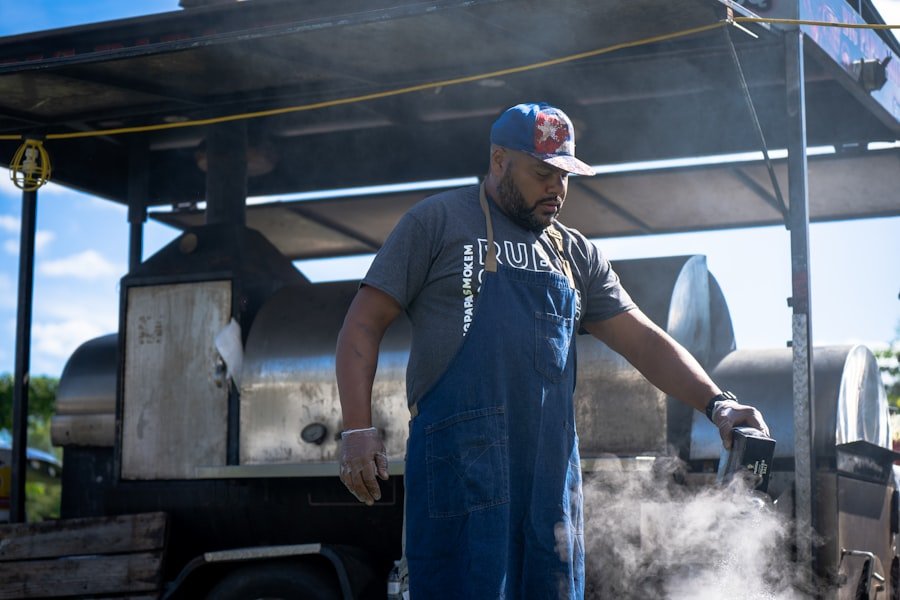
Your Pit Boss isn’t just for smoking; it’s a versatile grill capable of high heat and low-and-slow cooks.
If you’re looking to enhance your outdoor cooking experience, you might want to explore the benefits of a pit boss pellet grill. These grills offer a unique combination of convenience and flavor, making them a popular choice among barbecue enthusiasts. For those interested in optimizing their outdoor tools, you can also check out an informative article on robotic lawnmower installation kits that can help maintain your yard effortlessly. This guide can be found here, providing insights that complement your grilling adventures by ensuring your outdoor space is always in top shape.
The Art of the Reverse Sear
This technique is a revelation for steaks, chops, and even thick burgers. It ensures perfectly cooked meat with a beautiful, even doneness from edge to edge, followed by a fantastic crust.
- Low and Slow First: Set your Pit Boss to a low temperature, like 225-250°F. Place your steaks on the grates and cook until they are about 15-20 degrees below your target internal temperature. For a medium-rare steak (130-135°F), you’d pull it around 110-115°F. Use a reliable instant-read thermometer.
- Crank Up the Heat: Once the steaks are off, turn your Pit Boss up to its maximum temperature (or use the slide-n-grill feature if your model has one). Let it preheat for 10-15 minutes until it’s screaming hot.
- The Searing Stage: Sear the steaks for 1-2 minutes per side, or until a beautiful, dark crust forms. Don’t be afraid of high heat here; that’s where the flavor comes from. Rest the steaks for 5-10 minutes before slicing.
Low and Slow Masterclass for Brisket and Pork Butt
This is where pellet grills truly shine. The ability to maintain a consistent low temperature for hours without constant tending is a huge advantage.
- Brisket Basics:
- Trim Wisely: Remove hard fat and silver skin, but leave about 1/4 inch of soft fat for moisture.
- Season Generously: A simple salt, pepper, and garlic powder rub is classic, but feel free to experiment. Apply it liberally, often the night before.
- The Stall: Expect the “stall” – a period where the internal temperature of the meat stops rising, usually between 150-170°F. This is due to evaporative cooling. Power through it!
- The Texas Crutch (Wrapping): To push past the stall and keep the meat moist, wrap your brisket tightly in butcher paper or foil once it hits the stall. This locks in moisture.
- Cook for Tenderness: Don’t cook to a specific temperature; cook until it’s probe tender. A thermometer should slide into the meat with virtually no resistance, like pushing into warm butter. This is usually around 200-205°F for brisket.
- Rest, Rest, Rest: This is critical! A long rest (2-4 hours, even in a cooler) allows the juices to redistribute, resulting in a much more tender and flavorful brisket.
- Pulled Pork Perfection:
- Prep the Butt: A heavy rub of salt, pepper, paprika, and brown sugar works wonders. No need to trim much; the fat renders down.
- Smoke to the Stall: Smoke at 225-275°F until the internal temperature hits 160-170°F.
- Wrap and Finish: Wrap tightly in foil and continue cooking until it’s probe tender, usually around 203-205°F.
- Pull and Serve: Shred the pork, mix with some of the rendered juices, and serve.
Grilling Faster, Hotter Foods
Your Pit Boss can also handle quicker cooks like chicken pieces, vegetables, and even pizza.
- Direct Heat for Searing (Slide-N-Grill): Many Pit Boss models feature a “Slide-N-Grill” or similar direct flame access. This allows you to slide a plate and expose the food directly over the burn pot, providing excellent high heat for searing marks on burgers, steaks, or chops.
- Higher Temperature Grilling: For chicken thighs, sausages, or thicker vegetables, set your Pit Boss to 350-400°F. This provides enough heat for browning and cooking through without excessive smoking.
- Pizza on the Pellet Grill: It’s surprisingly good! Use a pizza stone (preheated on the grill) and set your Pit Boss to its highest temperature. It might not hit the crazy high temps of a dedicated pizza oven, but it will produce a smoky, delicious pie with a crispy crust.
Maintenance and Troubleshooting Tips
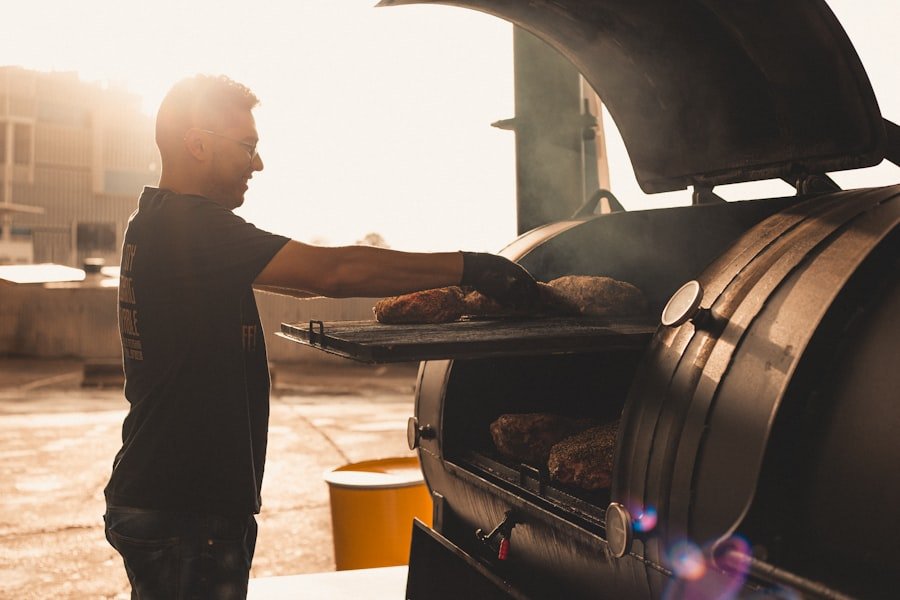
Keeping your Pit Boss running smoothly means a little regular care. And sometimes, things don’t go as planned – here’s how to tackle common issues.
Regular Cleaning and Upkeep
A clean grill performs better and lasts longer.
- Ash Clean-out: Pellets produce very little ash, but it does accumulate in the burn pot. After every 2-3 cooks, or after a long cook, use a shop vac to clean out the burn pot and the main cooking chamber. Ash can impede airflow and prevent proper ignition.
- Grate Cleaning: Use a good brush to clean your grates after each cook while they’re still warm.
- Grease Management: The Pit Boss has a grease drain system. Ensure it’s clear and that your grease bucket is emptied regularly. This prevents grease fires.
- Controller Wires: Check the wires leading to your controller periodically to ensure they haven’t been chewed by rodents or are simply loose.
Common Troubleshooting Scenarios
Even the best grills can have a hiccup now and then.
- “No Power” or “Err” Codes:
- Check Power: Make sure the grill is plugged into a functioning outlet and the GFI hasn’t tripped.
- Pellet Sensor: Some models have a pellet sensor. If it thinks the hopper is empty, it might not ignite.
- Overheating Sensor: If the grill got too hot, the safety sensor might have tripped. Let it cool down and try again.
- Igniter Issue: If you don’t hear the igniter click or see it glow, it might be faulty. Contact Pit Boss support.
- Hopper Full, No Pellets Feeding:
- Auger Jam: Wet pellets or debris can jam the auger. Shut down the grill, empty the hopper, and see if you can clear the jam.
- Pellet Dust: Too much fine pellet dust in the hopper can sometimes create a “bridge” and prevent pellets from falling into the auger. Keep your pellets fresh.
- Temperature Swings:
- Ambient Temperature: As mentioned, extreme outside temperatures can cause swings.
- Opening the Lid: Every time you open the lid, you lose a significant amount of heat. Keep peeking to a minimum.
- Dirty RTD Probe: The RTD (Resistance Temperature Detector) probe inside the grill reads the temperature. If it’s covered in grease or debris, it can give inaccurate readings. Clean it gently.
- Too Much White Smoke/Foul Smell:
- Burn Pot Overload: If too many pellets build up in the burn pot without igniting properly, it can cause this.
- Wet Pellets: If your pellets got wet, they won’t burn cleanly.
- Startup/Shutdown: It’s normal to see thick white smoke during startup and shutdown cycles.
Mastering your Pit Boss pellet grill is a journey, not a destination. By understanding the fundamentals of how it works, experimenting with different techniques, and maintaining it properly, you’ll consistently produce delicious, smoky food that impresses friends and family. Don’t be afraid to try new things and, most importantly, enjoy the process! Happy grilling.