
The Ultimate Guide to Pellet Grills
So, you’re curious about pellet grills, huh? You’ve seen them around, maybe heard a friend rave about them, and now you’re wondering what all the fuss is about and if they’re really worth it. The short answer is: yes, they can be a fantastic addition to your grilling arsenal, offering a unique blend of convenience and flavor that opens up a whole new world of cooking possibilities.
These aren’t your grandpa’s charcoal pits or your dad’s gas grills. Pellet grills are a category of their own, bringing a digital precision to outdoor cooking that’s pretty darn appealing. They use compressed wood pellets as fuel to generate heat and smoke, and they’re controlled by a simple digital interface. Think of it as a set-it-and-forget-it style of grilling, but with real wood-fired flavor. This guide is here to walk you through everything you need to know to figure out if a pellet grill is your next kitchen upgrade.
At its core, a pellet grill is a fusion of a grill and a smoker. It runs on all-natural hardwood pellets, which are basically compressed sawdust from various woods. These pellets are fed from a hopper into a fire pot where they are ignited and burned, creating heat and smoke. The beauty of these grills lies in their intelligent temperature control system.
The Fuel: Wood Pellets
The type of wood pellet you use is a big deal for flavor. Different woods impart distinct smoky profiles to your food. It’s not just about getting hot; it’s about infusing your meals with delicious, nuanced smoke.
Common Wood Types and Their Flavors
- Hickory: A classic choice, offering a strong, smoky flavor that’s great for pork and beef. Think bacon.
- Mesquite: Known for its intense, bold, and slightly bitter smoke. Perfect for quick-cooking items like steaks and burgers.
- Oak: A milder, more versatile smoke. It’s a crowd-pleaser and works well with almost anything, from poultry to vegetables.
- Cherry & Apple: These fruitwoods provide a sweeter, milder smoke. Excellent for chicken, fish, and pork, and they give food a beautiful reddish hue.
- Blend Pellets: Many brands offer blends (like “Competition Blend” or “Hickory/Maple/Cherry”) that combine different woods for a more complex flavor profile. This is often a good starting point to discover what you like.
The Technology: How it Heats and Smokes
The magic happens thanks to a few key components: the hopper, the auger, the fire pot, and the control board.
The Hopper: Where the Pellets Live
This is the storage unit for your wood pellets. It’s typically located on the side or front of the grill. You simply fill it up with your chosen pellets, and the grill will do the rest.
The Auger: The Fuel Delivery System
When the grill needs more heat, an electronically controlled auger (like a screw conveyor) turns, precisely dispensing pellets from the hopper into the fire pot.
The Fire Pot: The Heart of the Grill
This is where the pellets are ignited and burn. An igniter rod heats up, starting the combustion process. A fan blows air to control the burn rate and temperature.
The Control Board: Your Digital Dashboard
This is the brain of the operation. You set your desired temperature, and the control board monitors and adjusts the pellet feed rate and fan speed to maintain that temperature. Some advanced models even offer features like Wi-Fi connectivity for remote control and monitoring.
If you’re looking to enhance your outdoor cooking experience, you might find our article on the benefits of using a pellet grill particularly insightful. It covers everything from flavor profiles to temperature control, making it a great resource for both beginners and seasoned grillers. To read more, visit this link.
Advantages of Using a Pellet Grill
Why choose a pellet grill over other options? They’ve gained popularity for some compelling reasons that make outdoor cooking more accessible and enjoyable for many.
Ease of Use: The “Set it and Forget It” Factor
This is arguably the biggest draw. Once you’ve preheated the grill and set your desired temperature, the pellet grill takes over. You don’t need to constantly tend to the fire, adjust vents, or worry about flare-ups ruining your meal.
Preheating and Temperature Regulation
Most pellet grills have a straightforward startup process. You turn it on, select your temperature, and it heats up automatically. The internal fan and auger work together to keep that temperature remarkably stable, much like an oven. This consistency is invaluable for longer cooks and for achieving perfect results every time.
Minimal Attentiveness Required
This frees you up to do other things – chat with guests, prepare side dishes, or simply relax. You can trust your pellet grill to maintain the cooking environment, allowing you to focus on enjoying the cooking experience and the company.
Flavor: Authentic Wood Smoke
Despite the digital control, pellet grills deliver genuine wood smoke flavor. Unlike gas grills that rely on artificial flavorings, the burning wood pellets impart a natural, delicious smokiness to your food that’s hard to replicate.
Smoking and Grilling in One Appliance
Pellet grills excel at both low-and-slow smoking (like briskets and pulled pork) and high-heat grilling (like steaks and burgers), although the high-heat searing might not be as intense as a dedicated charcoal grill. The versatility is a significant advantage for many home cooks.
Customizing Your Smoke Profile
By choosing different types of wood pellets, you can easily tailor the smoke flavor to your preferences and the type of food you’re cooking. This level of control over the smoke is a game-changer for flavor enthusiasts.
Versatility: More Than Just Grilling
Pellet grills aren’t just for grilling. Their ability to maintain consistent temperatures makes them incredibly versatile for a wide range of cooking methods.
Baking and Roasting Capabilities
You can bake pizzas, pies, bread, and roast poultry or vegetables with the same ease as you would in your kitchen oven, but with the added benefit of outdoor cooking and a subtle smoky undertone.
Cold Smoking (with accessories)
While not standard on all models, some pellet grills can be adapted for cold smoking to infuse foods like cheese or salmon with smoke without cooking them. This often involves specific accessories or techniques.
Pellet Grill Features to Consider
When you start looking at pellet grills, you’ll notice a variety of features. Understanding what these mean will help you find the right grill for your needs.
Grill Size and Cooking Area
This is a primary concern, especially if you’re cooking for a family or often entertain. Grill sizes are usually measured by total cooking surface area in square inches.
Small, Medium, and Large Grills
- Small (under 400 sq in): Suitable for individuals or couples, or for secondary grilling.
- Medium (400-600 sq in): A good all-around size for families and small gatherings.
- Large (600+ sq in): Ideal for serious entertainers or those who cook large cuts of meat regularly.
Consider how much food you typically prepare at once.
Temperature Range and Accuracy
While most pellet grills aim for a specific range, the actual performance can vary. Look for models with a wide temperature range if you want to do both high-heat searing and low-and-slow smoking.
Low-and-Slow vs. High-Heat Searing
Some grills might struggle to get very hot for a true sear, while others are excellent at both. Check reviews to see how well a specific model performs across its temperature range.
Build Quality and Materials
The materials used will affect the grill’s durability, insulation, and ability to withstand the elements. Stainless steel is a popular and durable choice, but it can also come with a higher price tag.
Stainless Steel vs. Porcelain-Coated Grates
Stainless steel grates are generally more durable and easier to clean. Porcelain-coated grates can offer a non-stick surface but may be more prone to chipping.
Digital Control Features
Beyond basic temperature settings, look for features that enhance convenience and control.
PID Controllers vs. Basic Thermostat Controllers
PID (Proportional-Integral-Derivative) controllers are generally more sophisticated and maintain temperatures more accurately than basic thermostat-style controllers.
Wi-Fi and Bluetooth Connectivity
These features allow you to monitor and control your grill remotely from your smartphone, which can be incredibly convenient. You can check the grill’s temperature, adjust settings, and receive notifications without being physically next to it.
Additional Features and Accessories
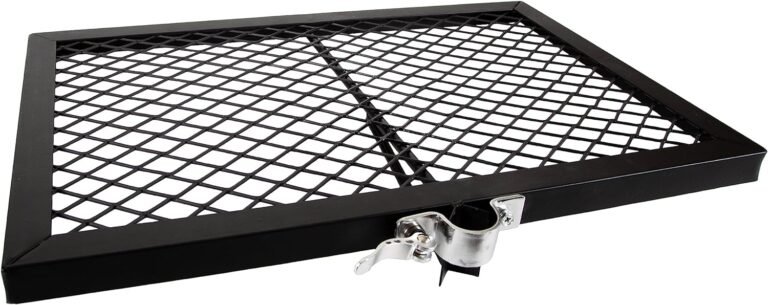
- Sear Grids: Some grills come with removable sear grids for achieving better char marks.
- Side Shelves and Storage: Practical for prep space.
- Warming Racks: Useful for keeping food warm without overcooking.
- Grease Management Systems: A well-designed grease tray and collection system is crucial for safety and easy cleanup.
- Insulation: Better insulated grills maintain temperature more efficiently, especially in colder weather.
Maintaining Your Pellet Grill
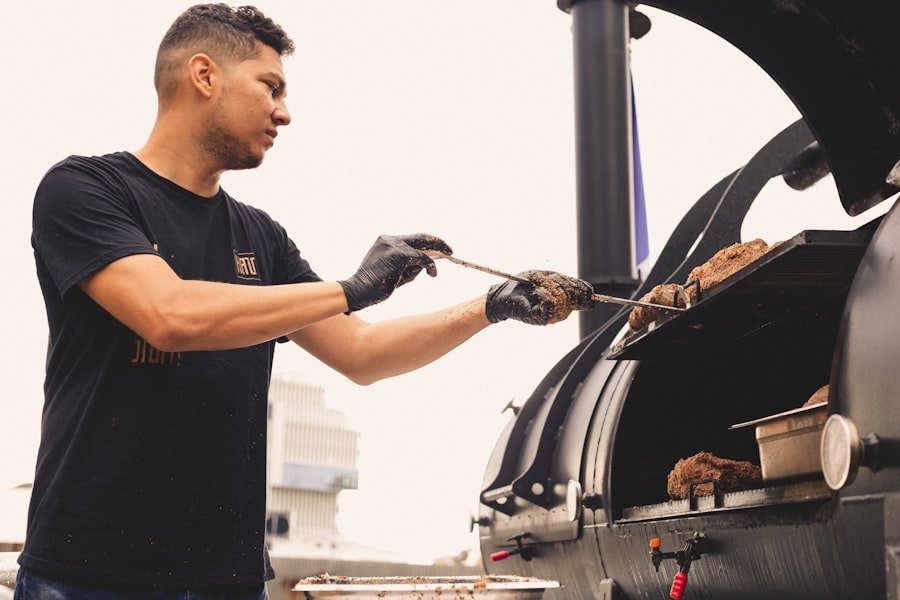
Like any piece of equipment, proper maintenance will ensure your pellet grill runs smoothly and lasts for years. It’s not overly complicated, but consistency is key.
Routine Cleaning: Keeping it Tidy
After each use, or at least regularly, it’s important to clean your grill. This prevents the buildup of grease and ash, which can affect performance and even become a fire hazard.
Ash Removal
The fire pot will accumulate ash. This needs to be cleaned out periodically, especially if you’re doing longer cooks. Many grills have an ash cleanout door or a vacuum attachment designed for this purpose.
Grate Cleaning
Scrape down the cooking grates after each use while they are still warm. For a deeper clean, you can use a grill brush.
Grease Tray and Drip Pan
Regularly empty and clean the grease tray and drip pan. This is a crucial safety step to prevent grease fires. You can use aluminum foil liners for easier cleanup.
Deeper Cleaning and Maintenance
Beyond the day-to-day, a more thorough cleaning and inspection should be done a few times a year.
Cleaning the Interior and Lid
Wipe down the inside of the grill and the lid. Remove any accumulated grease or debris. Be careful with painted surfaces.
Checking the Igniter and Thermocouple
Ensure the igniter is functioning correctly and the thermocouple (which reads the internal temperature) is clean and unobstructed.
Hopper Care
Keep the pellet hopper clean and dry. Moisture can cause pellets to clump or even mold, which can clog the auger.
Protecting Your Investment
When your pellet grill is not in use for extended periods, or if it’s exposed to the elements, a good quality grill cover is essential. This will protect it from rain, sun, dust, and debris.
If you’re considering enhancing your outdoor cooking experience, you might find it helpful to explore the benefits of using a pellet grill. These versatile grills offer a unique combination of convenience and flavor, making them a popular choice among grilling enthusiasts. For more insights on how to choose the right grill for your needs, check out this informative article on grilloffers.com, which provides valuable tips and comparisons that can help you make an informed decision.
Pellet Grill Cooking Techniques and Tips
| Brand | Temperature Range | Cooking Area | Hopper Capacity |
|---|---|---|---|
| Traeger | 180°F – 450°F | 418 sq. in. | 18 lbs |
| Green Mountain Grills | 150°F – 550°F | 458 sq. in. | 17 lbs |
| Camp Chef | 160°F – 500°F | 811 sq. in. | 18 lbs |
Once you’ve got your grill, it’s time to get cooking. A few techniques and tips will help you unlock its full potential.
Mastering Temperature Control
As mentioned, pellet grills are great at holding temperature. However, understanding how different temperatures affect your food is crucial.
Low-and-Slow Smoking (200-275°F / 95-135°C)
This is ideal for tough cuts of meat like brisket, pork shoulder, and ribs. The low temperature allows connective tissues to break down slowly, resulting in tender, flavorful meat.
Medium Heat Cooking (300-400°F / 150-200°C)
Good for poultry, roasts, and larger vegetables. It allows for even cooking without drying out the food too quickly.
High-Heat Grilling (450°F+ / 230°C+)
For searing steaks, burgers, and chops. While some pellet grills can get hot enough, achieving a deep char might require specific techniques or accessories.
Utilizing Smoke Effectively
Even with the convenience, it’s still a smoker! Think about how you want the smoke to interact with your food.
Pellet Management for Flavor
Switching pellet flavors throughout a long cook can add complexity. For example, start with a strong wood like hickory for the initial smoke penetration, then switch to a milder fruitwood for the remainder of the cook.
The Smoke Tube Strategy
For some grills, especially those that don’t produce as much smoke at higher temperatures, a smoke tube filled with pellets can add an extra layer of smoky flavor. These tubes are heated and placed inside the grill.
Other Cooking Tips
- Preheat Thoroughly: Always let your grill come up to temperature and stabilize before putting food on.
- Don’t Overcrowd: Give your food space for even cooking and smoke circulation.
- Use a Meat Thermometer: This is your best friend for ensuring food is cooked to the correct internal temperature safely.
- Learn Your Grill’s “Hot Spots”: Like any cooking surface, pellet grills can have areas that are hotter or cooler. Rotate your food to compensate.
- Experiment with Recipes: Don’t be afraid to try new things. Pellet grills are forgiving, making them great for experimenting.
- Consider “Pell-etizing” Meals: Think about how the wood smoke can complement different dishes you might typically bake or roast indoors.
Pellet grills offer a compelling blend of convenience, flavor, and versatility. They bridge the gap between a simple gas grill and a dedicated smoker, making wood-fired cooking more accessible than ever. Whether you’re looking to slow-smoke a brisket for a weekend gathering or quickly grill some vegetables for a weeknight dinner, a pellet grill can be a valuable and enjoyable addition to your outdoor cooking setup. It’s about taking the guesswork out of the fire and focusing on the delicious results.