The Ultimate Guide to Propane BBQ Grills
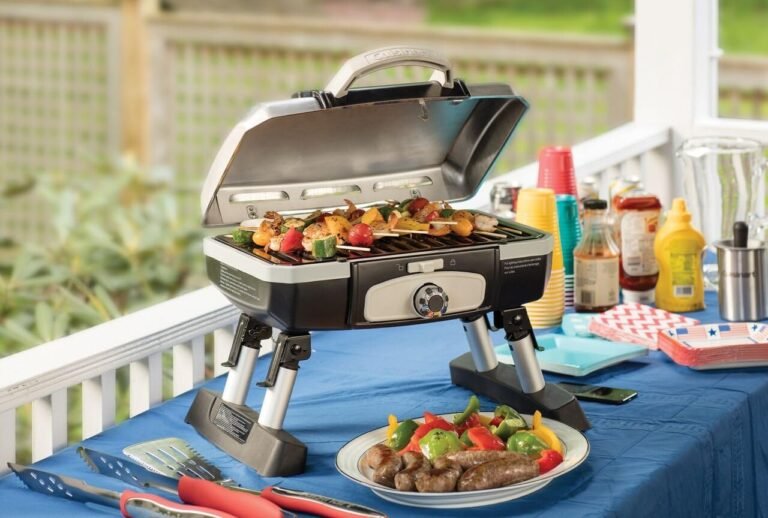
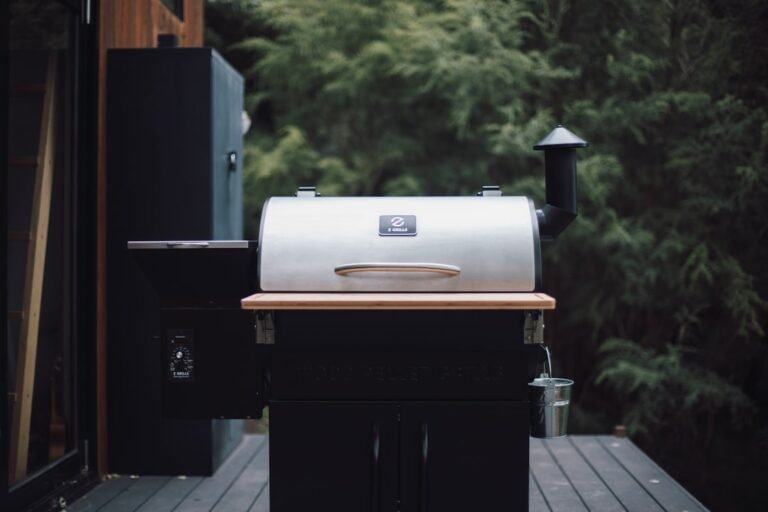
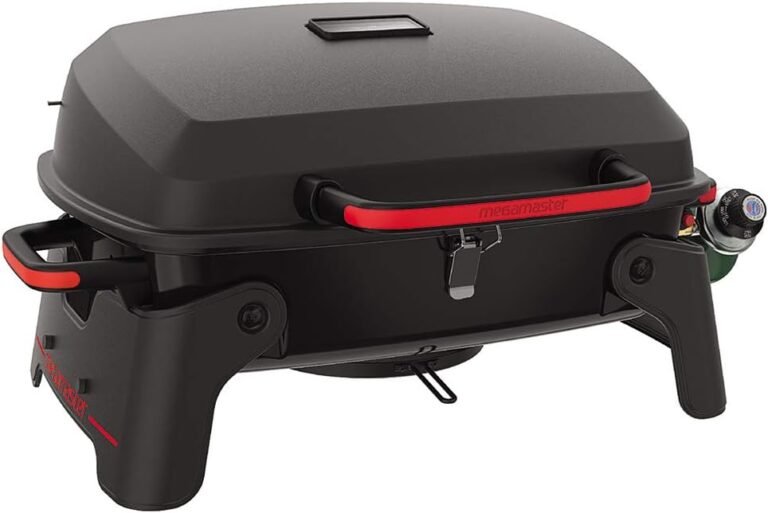
Thinking about getting a propane grill? You’ve come to the right place. Propane grills are fantastic for quick, convenient cooking, offering precise temperature control and easy cleanup. They’re a popular choice for a reason – they get you grilling fast and with minimal fuss, making them a staple for backyard enthusiasts and weeknight warriors alike.
Propane grills aren’t just one option among many; they offer some distinct advantages that make them a go-to for countless grill masters.
Instant Gratification
Unlike charcoal grills that require time to light and reach temperature, propane grills ignite with the push of a button (or twist of a knob). You can go from zero to sizzling in a matter of minutes, which is perfect for those spontaneous weeknight dinners or when you have hungry guests impatiently waiting. This immediacy is a huge draw for busy individuals.
Precise Temperature Control
With propane, you’re not guessing. Each burner has an individual knob, allowing you to fine-tune the heat exactly where you want it. Want a searing hot zone for steaks and a cooler zone for vegetables? No problem. This level of control opens up a world of cooking possibilities, from low-and-slow ribs to high-heat seared tuna. It’s like having a range oven outdoors.
Clean and Convenient
Forget the messy ash removal of charcoal. Propane grilling is remarkably clean. There’s no soot, no lingering smoke smell on your clothes, and generally less cleanup. A quick brush of the grates, and you’re often good to go. This convenience factor is a major plus, especially after a satisfying meal.
Versatility
Modern propane grills come equipped with a variety of features that extend beyond basic grilling. Side burners allow you to cook side dishes or sauces simultaneously, while rotisserie attachments open up options for roasting whole chickens or large cuts of meat. Infrared burners offer incredibly high heat for perfect searing.
If you’re considering upgrading your outdoor cooking experience, you might find it helpful to read an article about the latest advancements in outdoor technology, such as the benefits of using an automatic robotic mower for maintaining your lawn. This can complement your propane BBQ grill setup by ensuring your outdoor space is always looking its best for gatherings. For more information, check out this related article on robotic mowers: Automatic Robotic Mower Bluetooth App Review.
Key Features to Look For
Navigating the world of propane grills can be a bit overwhelming with all the options. Here’s a breakdown of what really matters when you’re making a decision.
Number of Burners
This isn’t just about size; it’s about versatility. More burners mean more cooking zones and better temperature control across the grilling surface.
- 2 Burners: Ideal for small families or couples, or those with very limited space. Good for direct grilling.
- 3 Burners: A popular sweet spot. Offers enough space for direct and indirect grilling simultaneously. You can sear on one side and cook more delicately on the other.
- 4+ Burners: Great for larger families, entertaining, or if you plan on doing a lot of indirect cooking. Provides ample space and ultimate zone creation for different cooking temperatures.
BTU Output
BTU (British Thermal Units) is a measure of heat output. While a higher BTU number often sounds better, it’s not the only factor. Efficiency of the grill’s design also plays a significant role.
- Understanding BTU: It indicates how much heat the burners can produce. For most grills, a general range of 10,000-12,000 BTUs per main burner is a good starting point.
- Grill Size Matters: A small grill with high BTU might overheat quickly, while a large grill with low BTU might struggle to get hot enough. Look for a good balance relative to the cooking area.
- Infrared Burners: These often have higher BTUs and are designed for intense, focused heat, perfect for searing. Don’t compare them directly to standard burner BTUs.
Construction Material
The materials used in your grill directly impact its durability, heat retention, and overall longevity.
- Stainless Steel: The gold standard for grill construction. Look for 304-grade stainless steel for the best corrosion resistance. While often more expensive, it lasts significantly longer and retains heat well.
- Cast Iron Grates: Excellent for searing and heat retention. Often porcelain-enameled to prevent rust and make cleaning easier. Require seasoning if not enameled.
- Porcelain-Coated Steel Grates: A common and affordable option. Easier to clean than plain cast iron but less durable than solid cast iron or stainless steel.
- Aluminum Castings: Often used for fireboxes and lids. Good for heat retention and rust resistance.
Grilling Surface Area
Consider how much food you typically cook at once. Don’t just look at the overall dimensions; focus on the primary cooking area.
- Primary Cooking Area: This is where most of your grilling will happen. Match it to your needs. A good rule of thumb: 400-500 square inches is ample for a family of four.
- Warming Rack: Useful for keeping cooked food warm or toasting buns. It’s secondary space, so don’t mistake it for primary cooking surface.
Additional Features
These aren’t necessities, but they can greatly enhance your grilling experience.
- Side Burner: Perfect for simmering sauces, boiling corn, or keeping side dishes warm without taking up valuable grill space.
- Rotisserie Kit: Allows for slow, even cooking of whole chickens, roasts, or larger cuts of meat, resulting in incredibly juicy and tender results.
- Infrared Searing Burner: Provides extremely high, focused heat (often 1000°F+) for achieving perfect crispy crusts on steaks and other meats.
- Storage and Shelving: Ample side shelves provide prep space, while cabinet storage keeps your propane tank and grilling tools out of sight.
- Gauge: A fuel gauge lets you know how much propane is left in your tank, preventing mid-cook outages.
- Lighted Knobs/Interior Lights: Great for grilling after dark.
Understanding Your Propane Tank
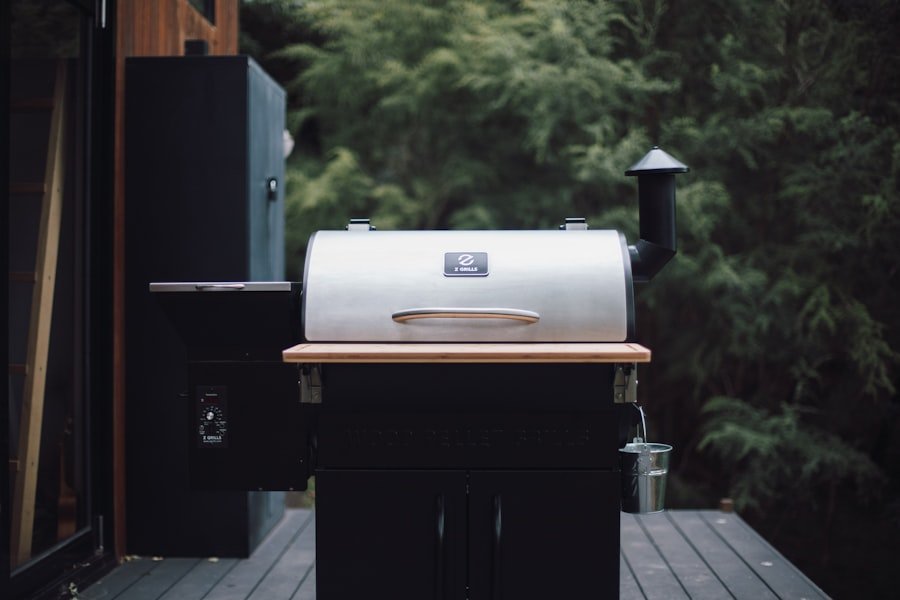
The propane tank is the lifeblood of your grill. Knowing a few things about it can save you hassle.
Standard Tank Size
Most portable propane grills use a standard 20-pound (5-gallon) tank.
- Weight vs. Volume: While called a “20-pound” tank, this refers to the weight of the propane inside the tank, not the total weight of the tank and propane. A full 20-pound tank typically holds about 4.7 gallons of liquid propane.
- Tank Lifespan: A 20-pound tank will generally last for 10-25 hours of cooking time, depending on the number of burners you’re using and the temperature you’re grilling at.
Fuel Gauges
These are incredibly handy and can prevent frustrating mid-meal interruptions.
- Inline Gauges: These connect between the tank and the grill regulator. They typically use a simple needle to indicate full, low, or empty.
- Tank Weight Gauges: Some newer tanks or grill models have integrated gauges that work by weight. Since propane is liquid, the weight changes as it’s used.
- The Hot Water Test (DIY): If you don’t have a gauge, you can carefully pour warm water down the side of your tank. The tank will feel cool to the touch below the liquid level and warm above it, giving you a rough estimate.
Refill vs. Exchange
You have two main options when your tank runs empty.
- Exchange: Convenient and widely available at gas stations, grocery stores, and hardware stores. You swap your empty tank for a pre-filled, refurbished one. Often, you might not get a full 20 pounds of propane in an exchange tank (they might only fill to 15 lbs).
- Refill: You take your empty tank to a propane dealer (often at hardware stores, U-Haul locations, or dedicated propane suppliers) and they fill your existing tank. This often gives you a full 20 pounds of propane and can be cheaper in the long run. It’s also better environmentally as you reuse your tank.
OPD Valves
All modern propane tanks are equipped with an Overfill Protection Device (OPD) valve.
- Safety First: The OPD valve prevents the tank from being overfilled, which can be dangerous as propane expands in heat.
- Horizontal Tanks: Note that tanks designed to be used horizontally for RVs or specific applications do not have OPDs and cannot be refilled vertically. Always use the correct tank for your grill.
Essential Grilling Techniques
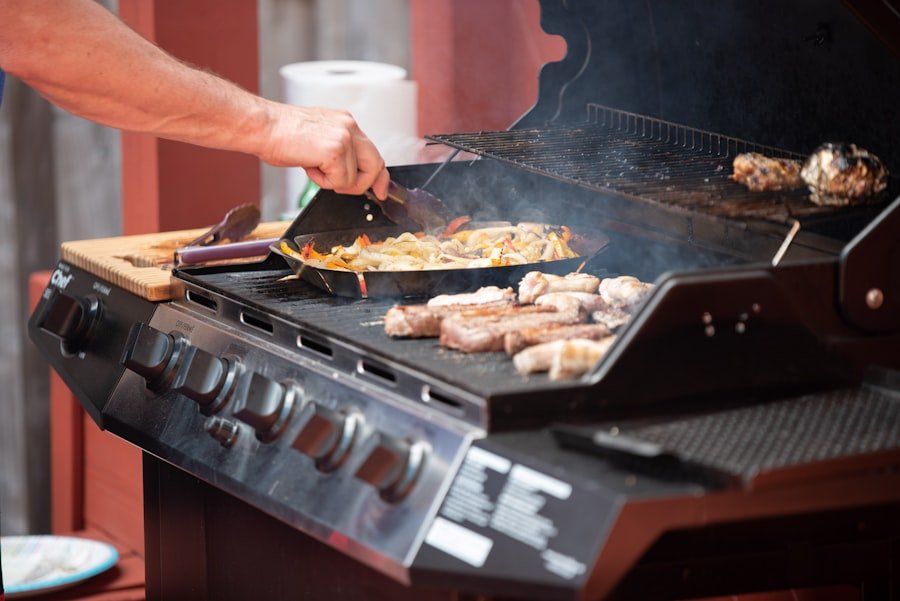
Mastering a few basic techniques will elevate your propane grilling game.
Direct vs. Indirect Heat
This is the cornerstone of versatile grilling.
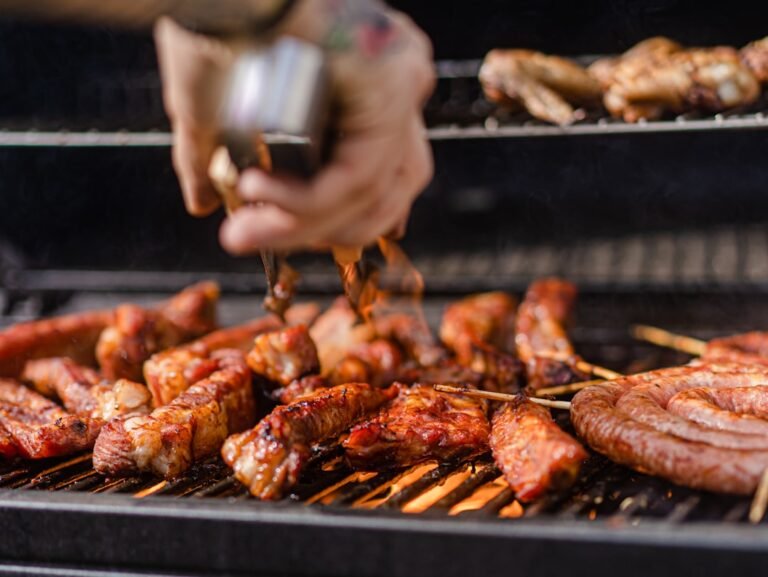
- Direct Heat: Food cooked directly over the lit burners. Ideal for searing, quick-cooking items like thin steaks, burgers, sausages, and vegetables that cook fast. This is your high-heat zone.
- Indirect Heat: Food cooked in a zone adjacent to lit burners, where the heat circulates around it like an oven. Perfect for larger roasts, whole chickens, ribs, or anything that needs to cook through without burning on the outside. You set up indirect heat by lighting one or more burners on one side and placing the food on the unlit side.
Searing
Achieving that beautiful, flavorful crust on meats.
- High Heat is Key: Preheat your grill to its highest temperature, typically with all burners on high.
- Dry it Off: Pat your meat very dry before placing it on the hot grates. Moisture inhibits searing.
- Don’t Touch: Once the meat is on, resist the urge to move it for a few minutes. Let that crust develop.
- Infrared Burners: If your grill has one, use it for searing. They get incredibly hot and create the perfect crust quickly.
Temperature Zones
Utilize your multiple burners to create different cooking zones.
- Multi-Zone Grilling: For a typical 3-burner grill, you might have one burner on high for searing, one on medium for general cooking, and one off for indirect cooking or keeping food warm.
- Reverse Sear: A popular technique for thick steaks and roasts. Cook the meat over indirect heat until it’s close to your desired internal temperature, then transfer it to a scorching hot direct heat zone (or infrared burner) for a quick sear on all sides.
If you’re considering upgrading your outdoor cooking experience, you might find it helpful to read an article about the benefits of using a propane BBQ grill. These grills offer convenience and efficiency, making them a popular choice among grilling enthusiasts. For more insights on how to choose the right grill for your needs, check out this informative piece on the topic. You can find it here: learn more.
Maintenance and Care
| Feature | Propane BBQ Grill |
|---|---|
| BTU Output | 10,000 – 100,000 |
| Cooking Area | 300 – 800 square inches |
| Number of Burners | 2 – 6 |
| Material | Stainless Steel, Cast Iron, Aluminum |
| Ignition Type | Push Button, Electronic |
Keeping your grill clean and well-maintained isn’t just about aesthetics; it prolongs its life and ensures safe operation.
Regular Cleaning
A little effort after each cook goes a long way.
- Grates: Always clean your grates after preheating before you put food on, and then again after you remove the food. Use a sturdy grill brush. For stubborn messes, burn off residue by turning the heat up high for 10-15 minutes, then brush.
- Flavorizer Bars/Heat Deflectors: These sit over the burners and catch drippings. Scrape them clean periodically. If heavily encrusted, remove them and clean them thoroughly by scraping and washing.
- Drip Tray/Grease Pan: This should be emptied and cleaned regularly to prevent grease fires and pest attraction. Line it with foil for easier cleanup.
Deep Cleaning
A thorough cleaning a few times a season.
- Disassemble (Carefully): Remove grates, flavorizer bars, and burner covers.
- Clean Burners: Use a wire brush to clean any clogged holes in the burners. Ensure gas ports are clear.
- Interior: Scrape down the inside of the lid and firebox to remove built-up carbon and grease. A putty knife or sturdy scraper works well.
- Exterior: Wipe down stainless steel surfaces with a dedicated stainless steel cleaner, always wiping with the grain to avoid streaks. For painted surfaces, use mild soap and water.
Winterizing and Storage
If your grill won’t be used for an extended period, especially in colder climates.
- Disconnect Propane: Turn off the tank valve, disconnect the regulator, and store the tank in an upright position outdoors, away from your grill and direct sunlight. Never store a propane tank indoors.
- Full Clean: Give the grill a complete deep clean before storing. Remove all food residue and grease.
- Cover It: Use a high-quality, weatherproof grill cover to protect it from the elements.
- Store in a Dry Place: If possible, store it in a shed or garage to protect it from harsh weather. Avoid dusty areas if storing uncovered.
- Check Hoses: Before the first use of the season, check the propane hose for cracks or damage. Perform a leak test.
Leak Test
Crucial for safety, especially after reconnecting a tank or if you suspect an issue.
- Soap and Water: Mix dish soap and water in a spray bottle.
- Spray Connections: With the propane tank valve open but the grill burners off, spray the soap solution on all connections: the tank valve, the regulator connection, and where the hose connects to the grill.
- Look for Bubbles: If you see bubbles forming, you have a leak. Tighten the connections. If bubbles persist, replace the faulty part (hose or regulator).
- Never Use an Open Flame: Absolutely do not use a lighter or match to check for leaks.
Troubleshooting Common Issues
Even the best grills can have a hiccup now and then. Here are a few common problems and their solutions.
Grill Not Lighting
This is arguably the most common and frustrating issue.
- Check Propane Tank: Is it empty? Is the valve fully open?
- Regulator Reset: Sometimes the regulator goes into “bypass mode” if you open the tank valve too quickly. Close the tank valve and all burner knobs. Wait a minute. Slowly open the tank valve all the way, then wait 30 seconds before attempting to light burners.
- Igniter Battery: Most electronic igniters run on a small AAA or AA battery. If your igniter isn’t clicking or sparking, try replacing the battery.
- Clogged Burners/Orifices: If the igniter sparks but the burner doesn’t light, the burner holes or the orifices (where gas enters the burner) might be clogged. Clean them with a wire brush or a small wire.
- Spider Webs: Spiders love to build nests in gas lines. Use a venturi brush (long, thin brush) to clean out burner venturi tubes.
Uneven Heat
Hot spots and cold spots can be annoying.
- Clean Burners: Clogged burner ports will lead to uneven flame and heat. Give them a good clean.
- Baffle/Flavorizer Bar Placement: Ensure your flavorizer bars or heat deflectors are positioned correctly.
- Wind: Strong wind can significantly affect grilling temperatures and create cooler zones. Consider relocating your grill or using a wind block.
Low Flame/Low Heat
You’ve opened the tank, but the flame is weak, and the grill isn’t heating properly.
- Regulator in Bypass: This is the most likely cause. Perform the regulator reset procedure mentioned above.
- Empty Tank: Double-check your propane level.
- Clogged Orifices/Burners: Again, clean those burners and check the orifices.
- Kinked Hose: Inspect the propane hose for any kinks or damage that could restrict gas flow.
By understanding these aspects, you’ll be well on your way to choosing the perfect propane grill and enjoying countless delicious meals outdoors. Happy grilling!