Ultimate Guide to Portable Barbecue Grills
Thinking about bringing the BBQ fun with you on your next camping trip, tailgate party, or even just to a friend’s backyard? Portable barbecue grills are fantastic for that. They’re designed to be convenient, relatively lightweight, and easy to set up and pack away. Essentially, they offer you the joy of grilling pretty much anywhere without the hassle of a full-sized, stationary unit. But with so many options out there, how do you pick the right one?
The Different Flavors of Portable Grills
When we talk about portable grills, we’re not just talking about one kind of beast. They come in a few different shapes, sizes, and fuel types, each with its own personality and best-use scenarios. Understanding these differences is the first step to finding one that fits your life.
Gas Grills: The Quick-and-Clean Crew
Portable gas grills are probably what first comes to mind for many. They’re known for their ease of use and relatively clean operation.
Small Propane Tank Powerhouses
These are the most common. Think of them as miniature versions of your backyard gas grill. They typically plug into those small, 1-pound propane canisters, which are super portable but can also be a bit pricey if you grill a lot.
- Pros: Quick to heat up, easy temperature control with a dial, minimal cleanup (food debris, not grease everywhere).
- Cons: Propane canisters can add up in cost, often have smaller cooking surfaces, can be a bit bulkier than some other options.
- Best For: People who want speed and convenience, easy temperature management for different types of food, and who don’t want to deal with charcoal ash.
Larger Tank Connectors
Some more robust portable gas grills allow you to connect to a larger, 20-pound propane tank using an adapter hose. This is a great middle ground if you find the 1-pound canisters run out too fast.
- Pros: Longer grilling sessions, more cost-effective fuel in the long run, often slightly larger cooking surfaces.
- Cons: You need to transport the larger tank, which reduces portability somewhat.
- Best For: Group outings where you’ll be grilling for a while, or if you already have a standard propane tank at home.
Charcoal Grills: The Smoky Enthusiasts
If you’re all about that authentic, smoky grilled flavor, charcoal is your jam. Portable charcoal grills capture that essence in a compact package.
Kettle-Style Compacts
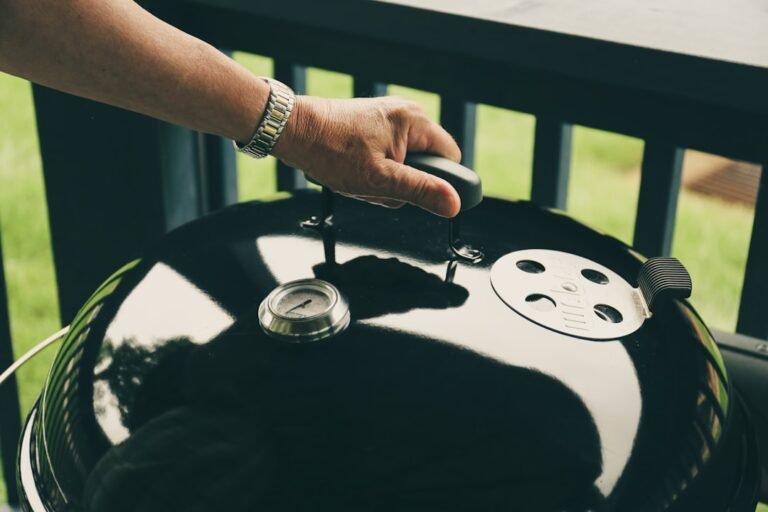
These are the classic, round charcoal grills, just scaled down. They’re usually pretty simple with a lid and a bottom grate for charcoal and a top grate for food.
- Pros: Fantastic flavor, relatively inexpensive to buy, simple design, can get very hot for searing.
- Cons: Takes time to heat up and cool down, requires managing coals, cleanup involves dealing with ash.
- Best For: Flavor aficionados, people who enjoy the ritual of grilling with charcoal, and those on a tighter budget.
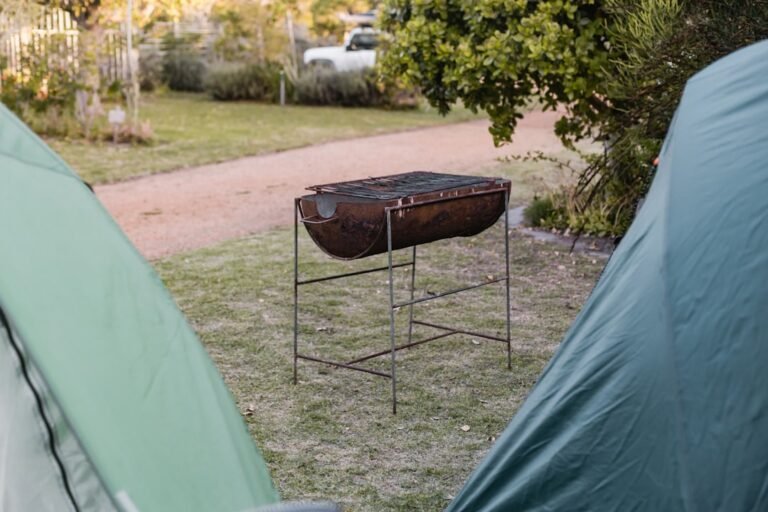
Tabletop Box Grills
These are often smaller, more rectangular charcoal grills. They’re designed to sit on a stable surface, like a picnic table, and are very basic in their construction.
- Pros: Extremely compact and lightweight, easy to store, affordable.
- Cons: Very limited cooking space, temperature control is harder (you adjust airflow with vents), often less durable.
- Best For: Solo cooks, very short trips, or when space is an absolute premium.
Electric Grills: The “Plug-and-Play” Crowd
Electric portable grills are the simplest to use, but they have their limitations. They don’t produce smoke, which can be a pro or con depending on your preferences.
Indoor/Outdoor Versatility
Many electric portable grills are designed for dual use, meaning you can use them on a balcony or patio (where permitted) or even indoors near an outlet.
- Pros: Super easy to use (just plug it in), no open flame concerns, consistent temperature, minimal cleanup.
- Cons: Requires an electrical outlet, flavor is not the same as gas or charcoal (no smoke), can have slower heat-up times, cooking surface is often smaller.
- Best For: Campgrounds with electrical hookups, apartment dwellers with balconies, people who want the absolute easiest grilling experience, or those who are sensitive to flames.
If you’re considering enhancing your outdoor cooking experience, you might find it beneficial to explore the advantages of a portable barbecue grill. For a deeper understanding of how outdoor appliances can improve your lifestyle, check out this insightful article on electric mowers, which discusses the convenience of robotic technology in lawn care. You can read more about it here: Electric Mower Robot Review.
Size and Portability: The “Where Will It Go?” Factor
This is often the deciding factor. How much space do you have? How far do you need to carry it?
Cooking Surface Area: Not Too Big, Not Too Small
Think about what you’ll be grilling. Are you just cooking burgers for yourself or a small group, or are you planning to grill chicken breasts and corn on the cob for a crowd?
- Small Grills (under 200 sq. inches): Ideal for 1-3 people. Think a couple of burgers or hot dogs at a time. These are often the most compact and lightest.
- Medium Grills (200-350 sq. inches): Good for 3-5 people. You can usually fit a few more items, perhaps burgers and some sausages, or a few chicken pieces. This is a popular sweet spot for many portable options.
- Larger Portable Grills (350+ sq. inches): If you’re often grilling for a larger group (5-8 people) and still need portability, look for these. They tend to be a bit heavier and bulkier, but offer more real estate.
Weight and Dimensions: The “Can I Lift This?” Check
You’ll be carrying this thing. Check the weight and folded dimensions. Does it fit in your car’s trunk? Can you easily maneuver it into a campsite or onto a picnic table?
- Featherweight (Under 15 lbs): These are usually small, often charcoal-only grills. They’re a breeze to carry.
- Light-to-Medium (15-30 lbs): This range covers most popular portable gas and mid-sized charcoal grills. Still manageable for most adults.
- Heavier Duty (30+ lbs): These are often larger gas grills or more robust charcoal models. You might need two people or a cart to move them around easily. Consider if it folds down very compactly.
Additional Portability Features
Look for things like built-in handles, folding legs, or carrying cases. These can make a huge difference in how easy your grill is to transport and set up.
Fueling Your Adventures: Propane, Charcoal, or Electric?
This ties back to the grill types, but it’s worth diving deeper into the practicalities of each fuel source.
Propane: Convenience King, Just Make Sure You Have Enough
Portable propane grills typically use 1-pound disposable canisters. These are widely available at camping stores, hardware stores, and even some supermarkets.
- Run Time: A 1-pound canister generally lasts about 1.5 to 2 hours on a medium heat setting. This can vary significantly.
- Cost: They’re convenient but can be expensive if you grill frequently. Expect to pay a few dollars per canister.
- Environmental Impact: Disposable canisters are generally not refillable, leading to more waste.
- Best Use: Quick grilling sessions, easy setup, precise temperature control.
Charcoal: The Flavor Provider, Be Prepared for the Wait
Charcoal comes in briquettes or lump charcoal. Briquettes are more uniform and burn evenly, while lump charcoal is often preferred for higher heat and a more natural flavor.
- Run Time: A good pile of charcoal can burn for 45 minutes to over an hour, depending on how much you use and how you manage airflow.
- Cost: Generally cheaper than propane in the long run. A bag of charcoal can last for many grilling sessions.
- Environmental Impact: More natural materials, but ash disposal is a consideration.
- Best Use: When maximum flavor is the goal, for searing meats, and when you have a bit more time.
Electric: Simple, Clean, but Tied to an Outlet
Electric grills are as straightforward as it gets. You just need access to an electrical outlet.
- Run Time: Unlimited, as long as you have power.
- Cost: Initial purchase might be higher than basic charcoal grills, but no ongoing fuel costs.
- Environmental Impact: Depends on your electricity source, but generally considered cleaner in terms of local emissions.
- Best Use: Campgrounds with hookups, balconies, anyone who prioritizes simplicity and avoiding flames.
Key Features to Look For: Beyond the Basics
Once you’ve narrowed down the type and fuel, it’s time to scrutinize the details that will make or break your grilling experience.
Heat Control and Distribution: Getting It Right
This is crucial for cooking food properly and avoiding burnt edges with raw centers.
- Gas: Look for models with adjustable burners and a thermometer in the lid. This allows you to create hot and cool zones on the grill. Some models have multiple burners, offering even more control.
- Charcoal: While less precise, airflow is key. Grills with adjustable vents on the lid and base allow you to control oxygen flow, which in turn controls heat. The placement of coals also matters – a dense pile for high heat, spread out for lower heat.
- Electric: Most electric grills have a simple temperature dial. Check reviews for consistency of heating across the surface.
Durability and Construction: Will It Last More Than a Season?
A portable grill will go through some bumps and scrapes.
- Materials: Stainless steel is generally preferred for its durability and resistance to rust. Cast iron grates are excellent for heat retention and searing but require seasoning and protection. Porcelain-enameled grates are easier to clean.
- Build Quality: Check for sturdy construction. Do the legs feel solid? Are the hinges well-made? Does it feel like it will withstand being moved around? Read reviews about how well they hold up over time.
Ease of Cleaning: The Unsung Hero
Nobody wants to spend more time scrubbing than grilling.
- Removable Parts: Look for grills with removable grates and drip pans. These are much easier to clean in a sink.
- Grease Management: A good grease management system will prevent flare-ups and make cleanup a breeze. Some gas grills have dedicated grease trays.
- Charcoal Ash Removal: For charcoal grills, check if the ash catcher is easy to access and empty.
Safety Features: Grilling Without Worry
Even portable grills can be a safety hazard if not designed thoughtfully.
- Stable Legs: Especially important for gas grills with open flames. Legs should be wide and provide a stable base.
- Heat-Resistant Handles: You don’t want to burn your hands when opening the lid.
- Locking Lid: For gas grills, a secure lid lock can prevent accidental opening during transport. For charcoal, some lids have latches.
- Wind Protection: Some grills have built-in wind guards, which are helpful in outdoor settings.
If you’re considering investing in a portable barbecue grill, you might also find it helpful to explore tips on choosing the right accessories to enhance your grilling experience. For instance, a related article discusses essential tools and gadgets that can make outdoor cooking more enjoyable and efficient. You can read more about it in this informative piece on grilling accessories. Whether you’re a seasoned grill master or a beginner, having the right equipment can elevate your outdoor cooking adventures.
Maintenance and Care: Keeping Your Grill Happy
Even the most rugged portable grill needs a little TLC to keep it performing its best and lasting for years.
Post-Cook Cleanup: The Essential Rinse and Wipe
This is the most important part. Doing a quick clean right after you’re done grilling will save you a lot of hassle later.
- Gas Grills: Once the grill has cooled down (but is still warm), use a grill brush to scrape off any food residue from the grates. Wipe down the exterior with a damp cloth. For gas grills, it’s also a good idea to periodically clean out the burners and heat tents to prevent clogs.
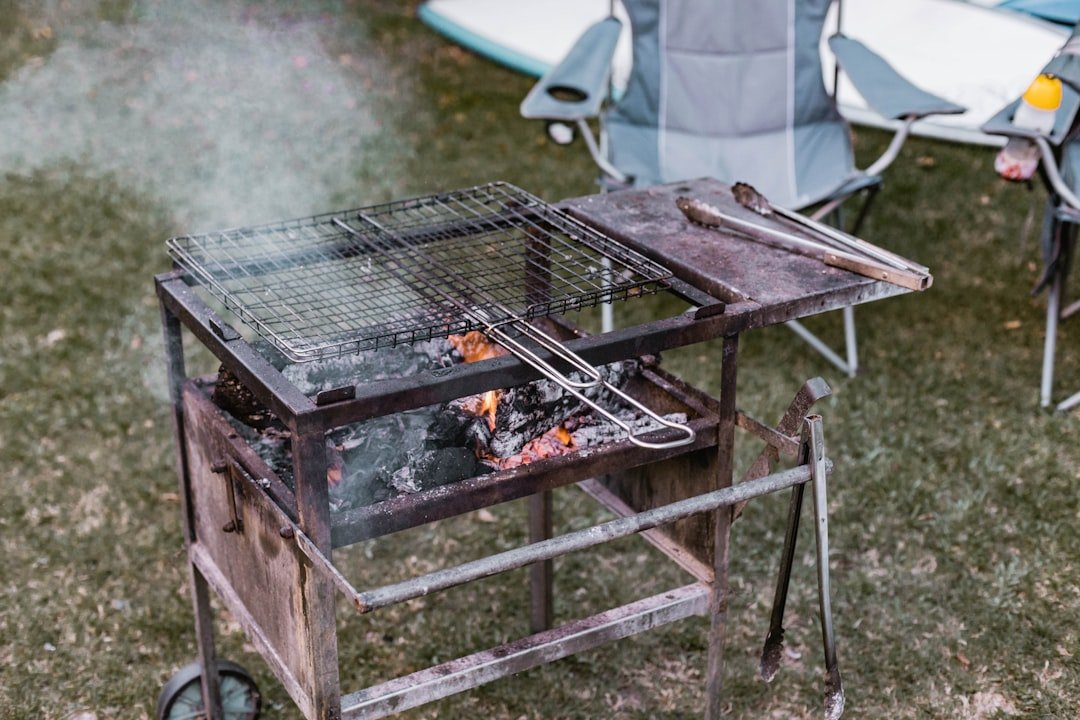
- Charcoal Grills: Let the coals cool completely. Then, empty the ash from the ash catcher or bottom of the grill. Brush down the grates. The lid and bowl can usually be wiped down with a damp cloth.
- Electric Grills: Unplug the grill and let it cool. Most electric grills have removable drip trays and grates that can be washed with soap and water. Wipe down the heating element area carefully to avoid damage.
Deeper Cleaning: For When It’s Been a While
Every so often (depending on how much you use it), you’ll want to give your grill a more thorough clean.
- Gas Grills: This might involve removing the grates and heat tents to clean underneath them. You might also want to clean out the inside of the lid and the firebox. Check your owner’s manual for specific instructions.
- Charcoal Grills: A deeper clean might involve scrubbing the inside of the bowl and lid with warm, soapy water. If rust is a significant issue, you might need to use a wire brush or steel wool (be gentle if it’s enamel-coated).
- Electric Grills: For electric grills, a deeper clean might involve using a degreaser on the grates and drip tray if they’re particularly greasy. Ensure all parts are thoroughly dried before reassembling.
Storage: Protecting Your Investment
Proper storage is key to preventing rust and damage, especially if your grill gets exposed to the elements.
- Indoor Storage: If possible, store your grill indoors in a garage, shed, or basement. This is the best way to protect it from moisture and extreme temperatures.
- Outdoor Storage: If you have to store it outdoors, invest in a good-quality, breathable grill cover. Make sure the grill is completely dry before covering it. Consider placing it on a raised surface to keep it off damp ground.
- Protecting Grates: For charcoal grills, cast iron grates should be seasoned with oil after cleaning and drying, and then covered to prevent rust.
Propane Canister Management: Safety First
If you use propane, always store canisters upright in a well-ventilated area, away from heat sources. When attaching or detaching canisters, ensure the grill is turned off and the valve is closed. Never try to refill disposable propane canisters.
Making the Most of Your Portable Grill: Beyond the Burgers
A portable grill isn’t just for basic hot dogs and burgers. With a little creativity, you can expand your culinary horizons wherever you go.
Mastering Marinades and Rubs
The foundation of great grilled flavor often starts before the food even hits the heat.
- Marinades: These add moisture and flavor. For portable grilling, choose marinades that aren’t too oily, as excess oil can lead to flare-ups. Think citrus-based, vinegar-based, or yogurt-based marinades for meats like chicken and pork.
- Rubs: Dry rubs are fantastic for portability. Mix your favorite spices, herbs, and a little sugar for a delicious crust. They’re easy to pack and apply right before grilling.
Veggie Variety: Grilling More Than Just Meat
Don’t limit yourself to animal proteins. Vegetables grill beautifully and offer fantastic flavor.
- Sturdy Veggies: Items like bell peppers, onions, zucchini, eggplant, and corn on the cob are perfect for grilling directly on the grates. Cut them into uniform pieces for even cooking.
- Softer Veggies & Delicate Items: For things like asparagus, cherry tomatoes, or even mushrooms, consider using a grill basket or foil packets. This prevents them from falling through the grates and ensures they cook evenly without burning.
- Grill Marks on Fruit: Believe it or not, grilling can even caramelize the natural sugars in fruits like pineapple, peaches, and watermelon, giving them a delicious smoky twist.
Beyond Direct Heat: Indirect Grilling Techniques
While many portable grills excel at direct, high-heat searing, you can often employ indirect cooking methods for larger or more delicate items.
- On gas grills, this means turning off burners under the food and keeping adjacent burners on to create a hotter zone.
- On charcoal grills, it involves pushing coals to one side and placing food on the other.
- For electric grills, you might need to experiment by placing food further from the element or using a heat diffuser if available. This is great for cooking thicker cuts of meat or whole chickens (if your grill is large enough).
Packing Smart: Essential Grill Accessories
To truly unlock the potential of your portable grill, a few key accessories can make a world of difference.
- Grill Brush: An absolute must for cleaning grates. Look for one with sturdy bristles.
- Tongs and Spatula: Long-handled versions are best to keep your hands safe from the heat.
- Skewers: For kebabs of all kinds – meat, veggies, fruit. Metal skewers are reusable and conduct heat well.
- Grill Basket: As mentioned, perfect for smaller veggies or fish that might fall through the grates.
- Foil Packets: Easy to make, cook evenly, and minimize cleanup.
- Instant-Read Thermometer: Essential for ensuring your food is cooked to the correct, safe temperature.
- Heat-Resistant Gloves: A lifesaver for handling hot grates or moving things around.
- Cleaning Mitts: For wiping down hot surfaces safely.
- Carrying Bag or Case: Invest in one if your grill doesn’t come with a good one. It protects your grill and makes transport much neater.
By considering these aspects, you’ll be well-equipped to choose a portable barbecue grill that will become your trusty companion for countless culinary adventures, ensuring delicious meals wherever you roam.