Mastering the Art of Smoker Grilling
Smoker grilling offers a fantastic way to infuse your food with incredible flavor and achieve that tender, juicy result. It’s not just about cooking; it’s about a slower, more deliberate process that transforms cuts of meat and vegetables into something truly special.
In essence, smoker grilling is low-and-slow cooking with the added benefit of smoky flavor. Unlike direct grilling, where food cooks quickly over high heat, smoker grilling uses indirect heat and wood smoke to gradually cook and flavor your food. This method breaks down tough fibers in meat, rendering it incredibly tender, and allows the smoke to penetrate deeply.
Why Go Low and Slow?
The magic of low temperatures (generally between 225-275°F / 107-135°C) lies in how they interact with meat. At these temperatures, connective tissues like collagen slowly melt into gelatin, moistening the meat from within. Higher temperatures would just cause these to seize up and toughen. This also gives the smoke ample time to permeate the food, creating that distinctive flavor profile.
The Role of Smoke
Smoke isn’t just for flavor; it also contributes to the “bark” or crust on smoked meats. The complex compounds in wood smoke react with the meat’s surface, creating a flavorful and often dark exterior. Different woods impart different flavors, which is a key part of the art.
If you’re looking to enhance your outdoor cooking experience, you might find our article on the best smoker grill accessories particularly useful. These accessories can elevate your grilling game, providing you with the tools needed for perfecting your barbecue skills. To explore more about these essential items, check out the article here: Best Smoker Grill Accessories.
Essential Smoker Grilling Equipment
You don’t need a professional setup to start, but having the right tools makes a real difference.
The Smoker Itself
There are various types of smokers, each with its pros and cons.
- Offset Smokers: These have a separate firebox where you burn wood or charcoal, and the smoke then travels into the main cooking chamber. They offer excellent temperature control once you get the hang of them but can be fuel-hungry and require more attention.
- Bullet Smokers (Vertical Water Smokers): These are popular for beginners. They’re compact, relatively easy to manage, and often use a water pan to help regulate temperature and add moisture. They’re typically charcoal-fired, with wood chunks added for smoke.
- Kamado Grills: These ceramic grills are incredibly versatile. They can grill at high heat, but their excellent insulation also makes them fantastic for low-and-slow smoking. They hold temperature remarkably well, making them fuel-efficient.
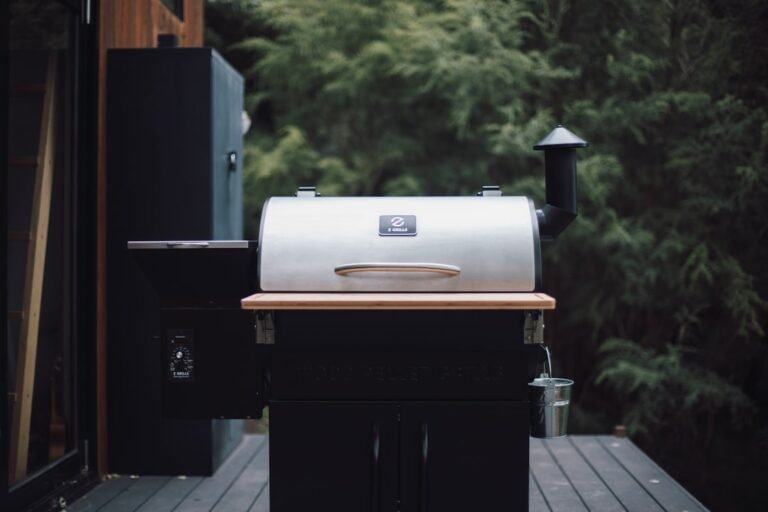
- Pellet Grills: These are essentially outdoor ovens that burn compressed wood pellets. They’re very easy to use, often with digital temperature control, and deliver consistent smoke flavor. They’re great for set-it-and-forget-it smoking.
- Electric Smokers: These are the easiest to use, simply plug them in, set the temperature, and add wood chips. They offer convenience but generally produce a milder smoke flavor compared to charcoal or wood-fired options.
Temperature Monitoring
This is non-negotiable for successful smoker grilling.
- Grill Thermometer: While most smokers have one built-in, they can be inaccurate. An external, probe-style grill thermometer that measures the ambient temperature at grate level is far more reliable.
- Meat Thermometer: An instant-read meat thermometer is crucial for checking the internal temperature of your food, ensuring it’s cooked to perfection and safe to eat. A leave-in probe thermometer is even better for monitoring larger cuts throughout the cook.
Fuel and Flavor Enhancers
Choosing the right fuel and wood greatly impacts your final product.
- Charcoal: Lump charcoal is preferred for its pure, natural burn and higher heat. Briquettes are an option but can contain binders.
- Wood Chunks/Chips/Pellets:
- Oak: Strong, versatile, good for beef and pork.
- Hickory: Pungent, bacon-like flavor, excellent with pork, beef, and poultry.
- Apple: Mild, fruity, great for pork, poultry, and fish.
- Cherry: Mild, sweet, mahogany color, good for pork, poultry, and beef.
- Pecan: Mild, nutty, similar to hickory but less intense, good for most meats.
- Mesquite: Very strong, best used sparingly, often with beef.
Mastering Temperature Control
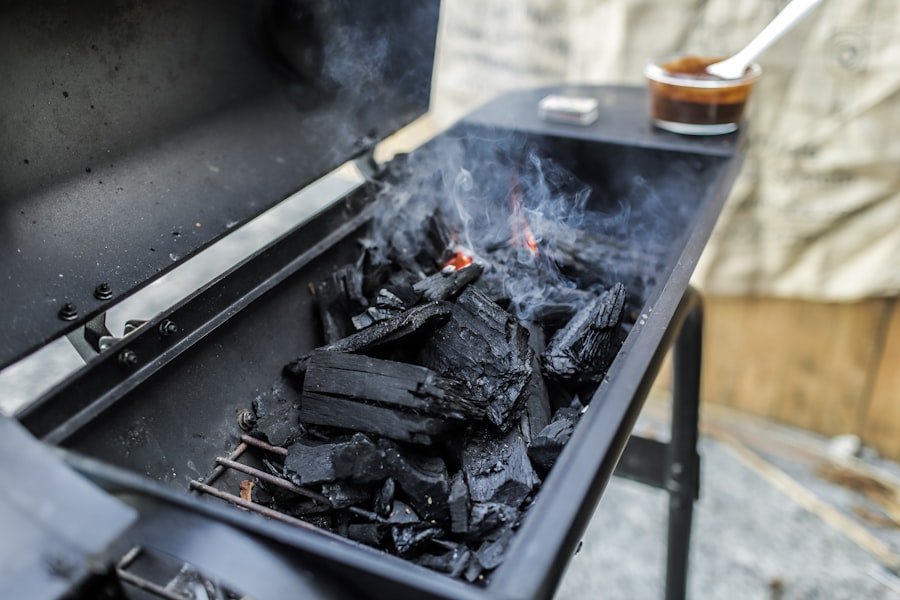
Consistent temperature is the cornerstone of great smoked food. Fluctuations lead to uneven cooking and can dry out your meat.
The Minion Method (for Charcoal Smokers)
This technique involves arranging unlit charcoal with a small amount of lit charcoal on top. The lit coals slowly ignite the unlit ones, providing a long, stable burn. It’s particularly useful for bullet smokers and kamado grills.
Managing Airflow
Airflow dictates your temperature.
- Bottom Vents (Intake): These are your primary temperature regulators. Open them fully to increase heat, close them partially to lower it.
- Top Vent (Exhaust): Keep this at least partially open to allow smoke and hot air to exit. Closing it completely can smother your fire and create bitter smoke. Think of it as allowing the air to flow through the smoker.
The Importance of “Clean Smoke”
You want thin, blueish smoke, often called “thin blue smoke.” This indicates a complete combustion of your wood. Thick, white, acrid smoke means incomplete combustion and will impart a bitter, unpleasant flavor to your food. If you see thick white smoke, open your vents to increase airflow and allow the fire to burn cleaner.
The Smoking Process: From Prep to Plate
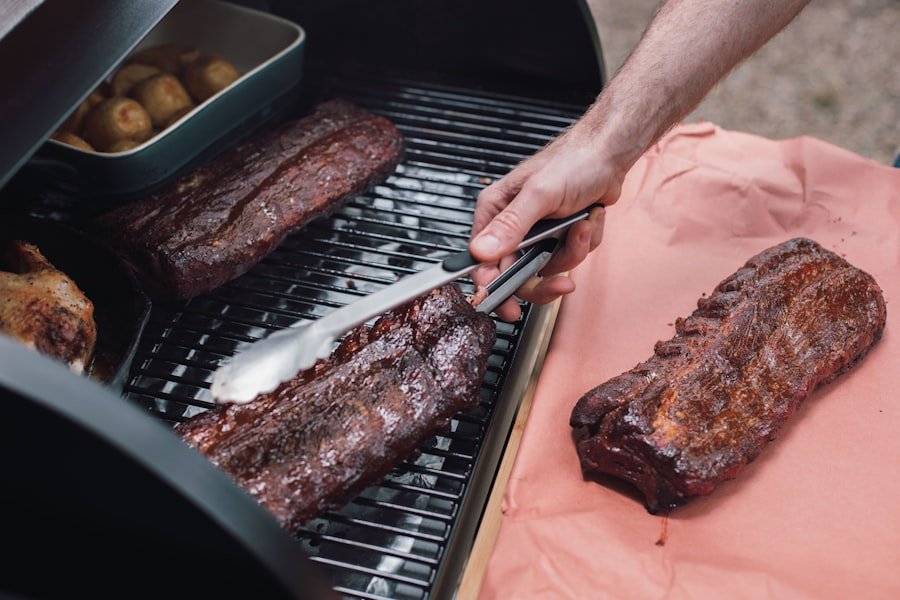
Each step contributes to the final delicious result.
Meat Selection and Preparation
Choosing the right cut and preparing it properly sets the stage.
- Brisket: Requires patience. Trim the fat cap to about 1/4 inch thickness.
- Pork Shoulder (Boston Butt): Excellent for pulled pork. Often needs little trimming.
- Ribs: Remove the silver skin from the back of the ribs for better tenderness.
- Poultry: A brine can significantly improve moisture and flavor.
Rubs and Marinades
These add a layer of flavor and can help create that desirable bark.
- Rubs: Dry spice mixtures applied generously to the meat. Experiment with sweet, savory, or spicy blends. Apply 30 minutes to several hours before smoking.
- Marinades: Liquid mixtures that penetrate the meat. Good for adding flavor and moisture, especially to leaner cuts. Pat meat dry before smoking if using a marinade to ensure bark formation.
The Smoke Ring
This pinkish band just beneath the surface of smoked meat is a chemical reaction between myoglobin in the meat and nitric oxide from the wood smoke. It’s a visual indicator that your food was properly smoked, although its absence doesn’t necessarily mean your food was poorly cooked.
The Stall (for Larger Cuts)
During the smoking of large cuts like brisket or pork shoulder, the internal temperature can plateau for hours, sometimes even dropping slightly. This is known as “the stall,” caused by evaporative cooling as moisture from the meat evaporates from the surface. Don’t panic!
- Pushing Through: You can simply wait it out, which can take several hours.
- The Texas Crutch: Wrapping the meat in foil or butcher paper once it hits the stall (around 150-160°F / 65-71°C) will prevent further evaporation, causing the temperature to rise more quickly. This can soften the bark slightly, but it significantly speeds up the cook.
Resting Your Meat
This is perhaps one of the most overlooked, yet critical, steps. Once your meat reaches its target internal temperature, remove it from the smoker and let it rest, loosely tented with foil.
- Redistribution of Juices: During cooking, muscle fibers contract and push juices towards the center. Resting allows these juices to redistribute throughout the meat, resulting in a more tender and juicy product.
- Carryover Cooking: The meat’s internal temperature will continue to rise by a few degrees even after being removed from the heat. Account for this by pulling the meat 5-10 degrees below your target temperature.
If you’re looking to enhance your outdoor cooking experience, you might find it interesting to explore the benefits of using a smoker grill. These grills offer a unique way to infuse flavor into your meats and vegetables, making them a favorite among barbecue enthusiasts. For those who enjoy maintaining a well-kept yard while grilling, you can read about an innovative tool that can help with lawn care in this article on a robotic lawn mower. Check it out here to see how it can complement your outdoor setup.
Common Smoking Pitfalls and How to Avoid Them
| Model | Price | Cooking Area | Fuel Type |
|---|---|---|---|
| Weber Smokey Mountain Cooker | 399 | 481 sq in | Charcoal |
| Masterbuilt Digital Electric Smoker | 299 | 730 sq in | Electric |
| Traeger Pro Series 22 | 799 | 572 sq in | Wood Pellets |
Even experienced pitmasters run into issues. Learning from common mistakes speeds up your learning curve.
Bitter Smoke Flavor
This is often caused by incomplete combustion of wood, producing thick, white smoke.
- Solution: Ensure ample airflow to your fire. Use dry wood. Avoid over-smoking (too much wood at once).
Dry Meat
Several factors can lead to dry results.
- Solution: Don’t overcook! Use a reliable meat thermometer. Use a water pan in your smoker to add moisture. Consider spritzing during the cook with apple cider vinegar or a water/broth mixture. Wrap larger cuts through the stall.
Inconsistent Temperature
Wild temperature swings are a common frustration.
- Solution: Get a good grate-level thermometer. Learn to manage your vents. Don’t constantly open the lid – “if you’re lookin’, you ain’t cookin'”. Each time you open the lid, you lose heat and smoke.
Lack of Bark
That delicious, flavorful crust is a hallmark of good BBQ.
- Solution: Apply a good rub generously. Maintain consistent smoke. Avoid wrapping too early (if you choose to wrap). Ensure the surface of the meat is relatively dry before smoking.
If you’re looking to enhance your outdoor cooking experience, you might find our article on the benefits of using a smoker grill particularly insightful. It explores various techniques and tips that can elevate your grilling game, making it a must-read for any barbecue enthusiast. To learn more about how to get the most out of your smoker grill, check out this informative piece here.
Beyond Meat: Smoking Other Foods
Smoking isn’t just for brisket and ribs. Expand your horizons!
Vegetables
Smoked vegetables (peppers, onions, corn on the cob, potatoes) take on an incredible depth of flavor.
- Preparation: Toss with a little oil and your favorite seasonings.
- Smoking Time: Shorter than meat, depending on the vegetable. Keep an eye on tenderness.
Cheese and Nuts
Cold smoking is ideal for these. This means keeping the smoker temperature low enough not to cook or melt the food, simply infuse it with smoke.
- Cheese: Use a cold smoke generator (e.g., a “smoke tube”) to add smoke without heat.
- Nuts: Lightly roast first, then smoke for an hour or two at low temperatures.
Fish
Delicate fish benefits from a lighter smoke and careful temperature control.
- Preparation: Brine fish for several hours to enhance flavor and firmness.
- Smoking Tip: Use milder woods like apple or alder. Cook until flaky.
A Continuous Learning Journey
Smoker grilling is a craft that improves with practice. Don’t be discouraged by initial mishaps. Each cook is a learning opportunity. Take notes – temperature, wood type, rub, weather conditions – and you’ll quickly develop an intuitive understanding of your smoker and preferred smoking style. Enjoy the process, the incredible aromas, and most importantly, the delicious food you create!