Ultimate Camping BBQ Grill: The Perfect Outdoor Cooking Companion
Ready to upgrade your outdoor cooking game? If you’re asking, “What’s the ultimate camping BBQ grill?” the short answer is: it’s the one that genuinely fits your adventures. There’s no single magic grill for everyone. The “ultimate” is all about matching your specific needs, from the type of camping you do to the kinds of food you love to cook. Let’s break down what makes a grill a winner for your next outdoor escape.
Before we dive into specific grill features, let’s get real about how you camp. This is the bedrock of finding your perfect grilling companion. Thinking about your typical trips will steer you in the right direction, saving you from buying something that’s going to be a pain rather than a pleasure.
Backpacking and Minimalist Adventures
If your idea of camping involves carrying everything on your back, weight and packability are king. You’re not going to be lugging a huge grill.
Ultra-Lightweight Grills
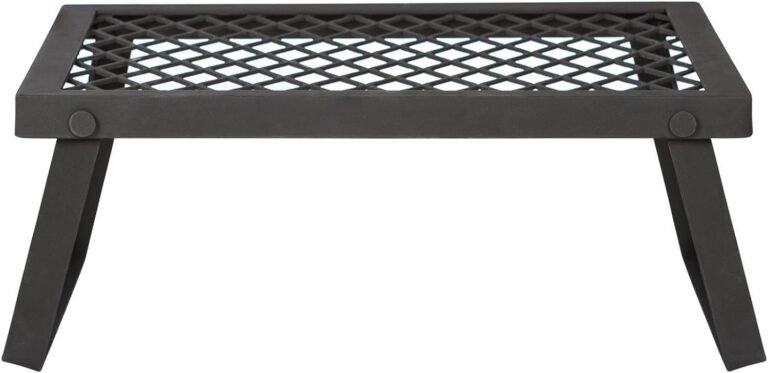
These are often collapsible, nesting designs made from titanium or thin stainless steel. They’re incredibly light and pack down to next to nothing. Think small, sometimes even just a wire grate that sits over a small heat source.
- Pros: Barely adds weight or bulk to your pack. Excellent for solo trips or two people where space is at a premium.
- Cons: Limited cooking surface area. Best for simple items like a single steak, a few sausages, or marshmallows. Can be finicky in windy conditions. Fuel source usually needs to be separate (e.g., small gas canister, or you’re gathering wood).
- What to Look For: Look for models with integrated leg systems that provide some stability. Materials like titanium are great for weight but can get extremely hot. Stainless steel is a good balance of durability and weight.
Stove-Based Grilling Solutions
Many campers who use backpacking stoves also have small, attachable grill tops. These sit directly on top of your existing stove.
- Pros: You already have the stove, so it’s an efficient use of gear. Good for heating up pre-made meals or small items.
- Cons: Very small cooking area. Not ideal for searing or getting good grill marks. Primarily for warming or light cooking. Performance is tied to your stove’s output.
- What to Look For: Ensure it’s compatible with your stove’s fuel and burner type. Look for a robust enough construction to withstand heat without warping.
Car Camping and Base Camps
This is where you have more freedom. Weight isn’t the primary concern, and you can afford to bring a slightly larger, more feature-rich grill. This is the sweet spot for many people looking for a true BBQ experience outdoors.
Portable Propane Grills
These are the workhorses for many car campers. They often fold up into a carrying case, have foldable legs, and connect to standard propane canisters.
- Pros: Easy to set up and use. Consistent heat control. Relatively quick cleanup. Large enough for family-sized meals.
- Cons: Can be a bit bulky to store in your vehicle. You need to carry propane. Not all models are super durable.
- What to Look For: Look for models with multiple burners for better heat management. A built-in thermometer is a handy addition. Features like a lid that locks are good for transport. Check the BTU output – higher BTUs generally mean hotter cooking.
Charcoal Grills (Portable Kettle-Style)
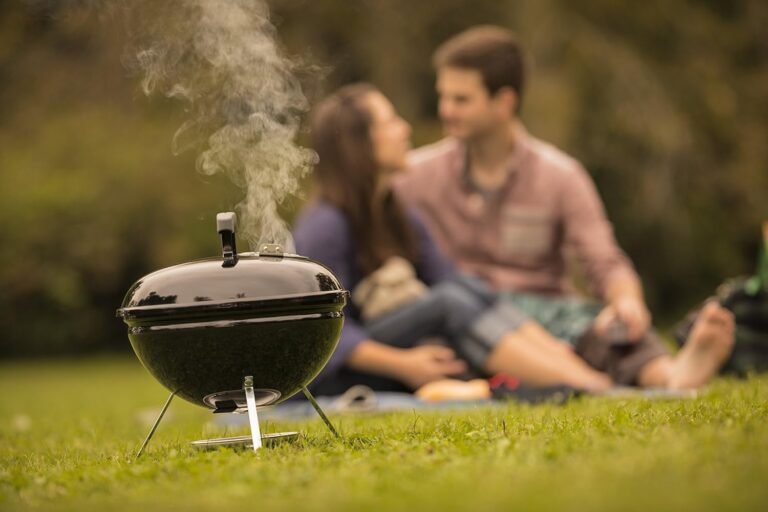
The classic kettle grill, scaled down for portability. These offer that distinct smoky flavor that many people associate with BBQ.
- Pros: Excellent smoky flavor. Can achieve high searing temperatures. Relatively inexpensive.
- Cons: Takes longer to heat up and cool down. Messier to deal with ash and charcoal. Heat control can be trickier than with propane. Not ideal for quick meals.
- What to Look For: A sturdy grate that’s easy to clean. A lid with adjustable vents for temperature control. A ash catcher or removable bottom tray makes cleanup easier. Ensure it has some form of insulation to retain heat.
RVing and Glamping
If you’re traveling in an RV or enjoying more comfortable “glamping” setups, you have even more options. You might have dedicated outdoor kitchens or simply more space to store larger, more permanent-feeling grills.
RV-Specific Mountable Grills
Many RVs have side mounts designed for these grills. They often use a direct propane line from the RV.
- Pros: Saves ground space. Built-in convenience, especially if you have the RV hookups. Dedicated grilling station.
- Cons: Requires specific RV infrastructure. Less portable if you decide to camp away from your RV.
- What to Look For: Ensure it’s designed for RV use and has the correct mounting system. Check the burner configuration and cooking area.
Larger Tabletop or Standalone Grills
You might opt for a grill that’s closer to what you’d use at home, just in a more portable form factor. These often come with stands for easier cooking height.
- Pros: Significant cooking area. Can handle complex meals. Good heat retention.
- Cons: Heavier and bulkier to transport. Might require a dedicated space at your campsite.
- What to Look For: Good build quality, like heavier gauge stainless steel. Features like side shelves and storage drawers can be very useful. Look for ease of ignition and temperature control.
If you’re looking to enhance your outdoor experience while camping, consider investing in a quality BBQ grill that complements your adventures. For more insights on outdoor equipment, you might find this article on robotic lawn mowers interesting, as it discusses the benefits of maintaining your outdoor space effortlessly. Check it out here: Gardena 15101-41 Sileno Life Automatic Robotic Lawn Mower Review.
Key Features to Consider: What Makes a Grill Truly “Ultimate”?
Now that we’ve thought about where you’ll be camping, let’s zoom in on the actual components and functionalities that will make a grill a pleasure to use, not a chore.
Cooking Surface Area and Grate Material
This is where your food actually cooks, so it’s critical.
Size Matters (But Not Always Big)
- For solo or couples: 150-300 square inches is usually plenty. You can cook a couple of steaks or a few burgers at once.
- For families or groups: 300-500+ square inches is ideal. This gives you room to cook multiple items simultaneously or larger cuts of meat.
Grate Material: The Foundation of Your Sear
- Stainless Steel: Durable, corrosion-resistant, and relatively easy to clean. It heats evenly and sears well. The most common and often best choice for portability.
- Cast Iron: Excellent heat retention and creates beautiful sear marks. However, it’s heavier, rusts easily if not seasoned and cared for, and requires more maintenance. Less common for truly portable grills.
- Porcelain-Enameled: A common coating over steel. It’s non-stick and easy to clean, but can chip over time, exposing the metal to rust.
Portability and Storage: How Easy is it to Get There and Back?
This is where the “camping” aspect really comes into play. A grill that’s a nightmare to transport or store isn’t going to be your ultimate companion.
Weight and Dimensions
- Backpackers: Under 5 lbs, packs down to a small cylinder or flat pack.
- Car Campers: Under 30-40 lbs is manageable for most. Look for built-in handles or carrying bags.
- RVers: Weight is less of an issue, but bulk and how it fits into storage compartments is.
Collapsible Design and Legs
- Folding Legs: Essential for most portable grills. They should feel stable when deployed and fold securely for transport.
- Nesting Components: Grills that nest into their own base or lid save significant space.
- Carrying Cases/Bags: A good quality, padded carrying bag protects your grill and makes it easier to handle.
Heat Source and Control: Getting the Temperature Just Right
How your grill is powered and how you manage its temperature directly impacts what you can cook and how well it cooks.
Propane vs. Charcoal
- Propane:
- Pros: Quick to light, easy to control temperature, consistent heat, less mess.
- Cons: Requires fuel canisters, can be more expensive to operate over time, doesn’t impart smoky flavor on its own.
- Charcoal:
- Pros: Imparts classic smoky flavor, can reach very high searing temperatures, fuel is often readily available.
- Cons: Takes longer to preheat and cool down, less precise temperature control, messy ash disposal.
Burner Configuration (Propane)
- Single Burner: Simple and lightweight. Good for basic cooking.
- Dual Burners: Allows for two different heat zones. You can sear on one side and keep food warm on the other, or cook different items at different temperatures. This is a significant upgrade for versatility.
Venting (Charcoal)
- Bottom Vents: Control the amount of air feeding the coals, dictating temperature.
- Lid Vents: Help regulate heat flow and smoke within the grill.
- Adjustable Vents: The more adjustable, the finer your temperature control.
Durability and Build Quality: Will it Last More Than One Season?
You’re investing in a tool for your adventures, so you want it to be reliable.
Material Choices
- Stainless Steel (304 Grade): The gold standard for durability and corrosion resistance. Look for thicker gauge steel for better heat retention and longevity.
- Cast Aluminum: Lightweight and rust-resistant, but can be less durable than steel and may warp at very high temperatures.
- Painted Steel: Cheaper, but the paint can chip and scratch, leading to rust.
Construction and Assembly
- Welded vs. Bolted: Welded components are generally stronger.
- Sturdy Hinges and Latches: Important for lids and folding legs.
- Ease of Cleaning: Removable drip pans and grates make a huge difference.
Cooking Versatility: Beyond Burgers and Hot Dogs
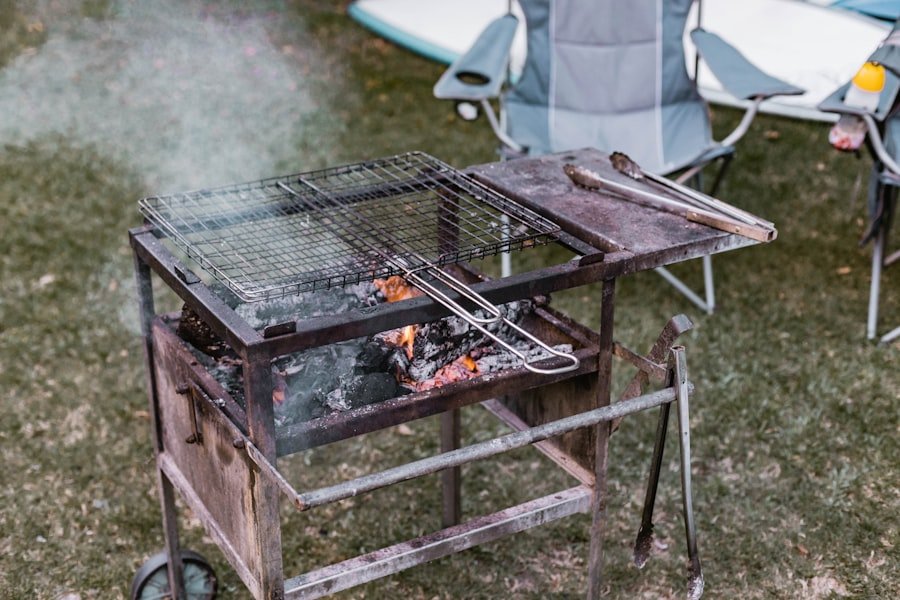
The “ultimate” grill isn’t just about cooking standard BBQ fare. It’s about expanding your outdoor culinary horizons.
Direct vs. Indirect Heat
Understanding how to use your grill for different cooking methods is key.
Direct Heat
- What it is: Food is cooked directly over the heat source.
- Best for: Searing steaks, burgers, chops, vegetables that benefit from quick cooking and char.
- How to achieve: Place food directly over lit coals or burners.
Indirect Heat
- What it is: Food is cooked next to the heat source, using the enclosed space to create an oven-like environment.
- Best for: Larger cuts of meat (roasts, whole chickens), delicate items that might burn over direct heat, baking.
- How to achieve:
- Propane: Turn off one burner and place food over the unlit burner while the other is on.
- Charcoal: Push coals to one side, creating a hot zone and a cooler zone. Place food on the cooler side.
Specialty Cooking Techniques
Many portable grills can accommodate more than just grilling.
Smoking with a Grill
While a dedicated smoker is best, you can add smoky flavor to portable grills.
- Using Wood Chips/Chunks: Soak wood chips in water, then drain and wrap in foil with holes poked in it. Place this packet directly on hot coals or near a burner. The wood will smolder and produce smoke.
- Propane Grills: Look for grills with integrated smoker boxes or dedicated areas where you can add wood chips. Even without one, you can still use the foil packet method, though managing smoke dispersal is trickier.
Griddling and Pan-Frying
Some grills come with or can accommodate a flat griddle surface.
- Griddle Inserts: These cast iron or steel plates replace a section of your grill grates.
- Best for: Pancakes, eggs, bacon, grilled cheese, stir-fries, hash browns.
- Benefits: Opens up a whole new range of breakfast and lunch possibilities outdoors.
Maintenance and Cleaning: Keeping Your Grilling Companion Happy
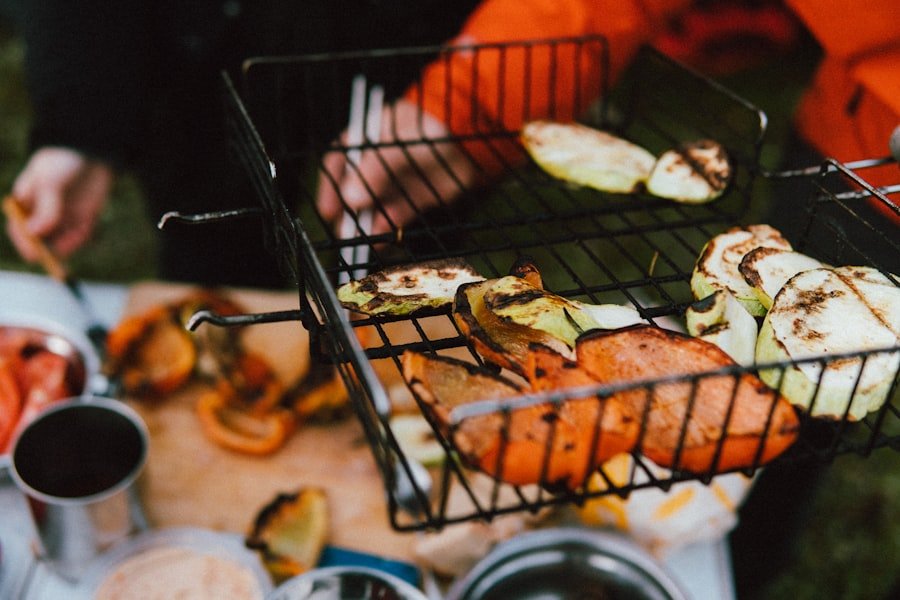
A well-maintained grill performs better and lasts longer. Think of it as part of the ritual.
Pre-Grill Checks
Before you even light it up, a quick once-over is worthwhile.
- Check for debris: Ensure grates are clear of old food bits.
- Inspect burners/coals: Make sure everything looks normal.
- Confirm fuel levels: Especially important for propane.
During and Post-Grill Cleaning
This is where the easy cleanup really pays off.
Grate Cleaning
- While hot: The easiest time to clean grates is when they’re still warm. Use a grill brush (stainless steel bristles are best for most grates) to scrub off charred food.
- Oiling up: After cleaning, lightly oiling stainless steel grates can help prevent sticking for the next use. For cast iron, this is crucial for seasoning.
Drip Pan Management
- Empty and clean: This is where grease and food particles collect. Empty it after the grill cools down and give it a wipe. For disposable foil pans, simply replace them.
Exterior Cleaning
- Wipe down: A damp cloth is usually sufficient for stainless steel exteriors.
- Deep clean annually: Consider a more thorough clean once a year, checking for any rust spots or damage.
Storage Best Practices
Where and how you store your grill impacts its lifespan.
- Dry location: Keep your grill in a dry place to prevent rust and corrosion.
- Covered: A grill cover protects it from the elements.
- Remove propane tanks: Always disconnect propane tanks before long-term storage and store them upright in a well-ventilated area, away from ignition sources.
When planning a camping trip, having the right equipment can make all the difference, especially when it comes to cooking outdoors. A portable camping BBQ grill is essential for enjoying delicious meals in nature, and it pairs perfectly with the convenience of modern technology. For those interested in enhancing their outdoor experience, you might find it interesting to read about innovative tools like the remote-controlled lawn mower, which can help maintain your campsite’s surroundings effortlessly. You can check out the details in this related article that explores how technology can simplify outdoor living.
Making the Final Choice: Your “Ultimate” Grill Checklist
| Feature | Specification |
|---|---|
| Material | Stainless steel |
| Size | Compact and portable |
| Heat Source | Charcoal or propane |
| Cooking Area | Enough for 4-6 people |
| Features | Adjustable heat, easy to clean |
So, you’ve considered your camping style, the features you need, and how you want to cook. Now, let’s put it all together.
Reflect on Your Needs
- How many people do you typically cook for? (This dictates size)
- What kind of food do you usually grill? (Steak vs. delicate fish vs. roasts)
- How important is portability versus cooking capacity?
- What’s your budget? (Portable grills range from $50 to $500+)
- What fuel source do you prefer or have easiest access to? (Propane, charcoal, wood)
Prioritize Key Features
Based on your answers above, rank these features in order of importance for you:
- Cooking Surface Area
- Weight/Packability
- Ease of Setup/Cleanup
- Durability
- Heat Control/Versatility
- Fuel Type
- Additional Features (thermometer, side shelves, etc.)
Read Reviews and Compare Models
Once you have a clearer picture of what you’re looking for, dive into specific product reviews. Look for recurring themes:
- Durability issues: Are people complaining about parts breaking quickly?
- Ease of use: Is it simple to light, adjust, and clean?
- Temperature consistency: Does it heat up evenly and hold temperature well?
- Portability claims: Do the weight and folded dimensions match reality?
Don’t Overlook the “Little Things”
Sometimes, it’s the small details that make a big difference:
- Leg stability: Wobbling legs are a recipe for disaster.
- Lid latches: Can it be easily secured for transport without flying open?
- Ignition system: Does it reliably light every time?
- Handle heat: Are the handles cool enough to touch while cooking?
Finding the ultimate camping BBQ grill isn’t about finding a mythical perfect appliance. It’s about being honest about how you camp, what you enjoy cooking, and then choosing a grill that makes those experiences even better, easier, and more delicious. Happy grilling!