Ultimate Guide to Camp Grills: Choosing the Best Option
Alright, so you’re looking for the best camp grill. The short answer is, there’s no single “best” one; it really depends on your camping style, how many people you’re feeding, and what you plan to cook. Are you car camping with a cooler full of steaks, or backpacking light with just dehydrated meals? Do you need something for quick breakfasts or a full-on gourmet experience? We’ll break down the different types and what to consider so you can pick the right one for your adventures.
Before diving into specific grills, let’s figure out what kind of camper you are. This is probably the most crucial step, as it dictates what features and portability levels you’ll need.
Car Camping & RVing
If you’re pulling up in a vehicle, space and weight aren’t massive concerns. You can afford a larger, more robust grill with multiple burners, griddles, and even ovens. Power sources are often readily available, or you can bring larger propane tanks. Think convenience, versatility, and the ability to cook for a group.
Backpacking & Hiking
Every ounce counts here. You’re looking for ultra-light, compact, and efficient. Often, this means canister stoves with small grill attachments, or simply relying on boiling water for freeze-dried meals. Multi-functionality is key – can it boil water and cook a small meal efficiently?
Day Trips & Picnics
Similar to car camping but often with less gear. You might want something quick to set up, easy to clean, and relatively portable for a few hours of use. Charcoal hibachis or small propane grills are good contenders.
Group Camping
Feeding a crowd? You’ll need something substantial. Think larger cooking surfaces, multiple heat zones, and perhaps even a grill and griddle combo. Propane is usually the most practical fuel source for bigger groups due to its consistent heat.
If you’re looking to enhance your outdoor cooking experience, you might find the article on the Rough Terrain Kit particularly useful. This kit is designed to improve the stability and versatility of your camp grill, making it easier to cook in various environments. To learn more about its features and benefits, check out the detailed review here: Rough Terrain Kit Review.
Fueling Your Fire: The Power Behind Your Grill
The type of fuel you choose impacts everything from cooking performance and convenience to portability and cost.
Propane Grills
Propane is probably the most popular choice for camp grilling, and for good reason. It’s convenient, easy to light, offers consistent heat, and is relatively clean-burning. You can control the temperature precisely, and there’s no ash to deal with afterward.
Pros:
- Easy to use: Just connect the tank, open the valve, and light.
- Precise temperature control: Dials let you adjust the heat up or down.
- Clean burning: No ash or messy cleanup.
- Quick heating: Gets to temperature fast.
- Consistent heat: Doesn’t fluctuate like charcoal can.
- Variety of sizes: From small canister stoves to large multi-burner units.
Cons:
- Fuel canisters/tanks: Can be bulky or heavy, especially larger tanks.
- Cold weather performance: Propane can be less efficient in very cold temperatures.
- Fuel can run out unexpectedly: Always good to carry a spare.
- Non-renewable fuel source: An environmental consideration for some.
Common Types & Considerations:
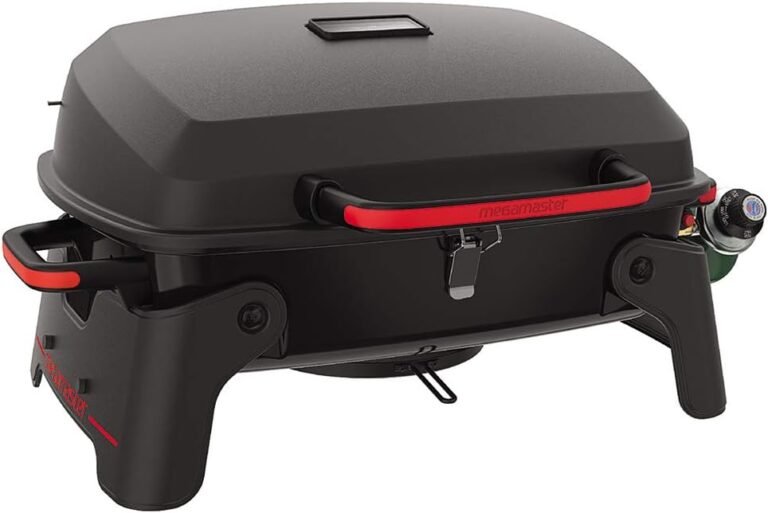
- 1-lb Canister Grills: Great for smaller groups, quick meals, and relatively light. Fuel canisters are widely available.
- 20-lb Tank Grills: Standard BBQ-sized tanks for larger grills, longer cooking times, or feeding groups. Requires an adapter hose for most camp grills.
- Integrated Propane Grills: Often have burners that also function as a stove, offering versatility.
Charcoal Grills
Ah, the classic. There’s something undeniably appealing about the smoky flavor and ritual of cooking over charcoal. It’s a great option for those who prioritize taste and don’t mind a bit more effort.
Pros:
- Flavor profile: Imparts a distinct smoky taste to food.
- Intense heat: Can reach very high temperatures for searing.
- Relatively inexpensive fuel: In bulk, charcoal is quite affordable.
- No tanks or canisters: Just a bag of charcoal.
Cons:
- Slower to start: Requires time for charcoal to ash over.
- Temperature control: More art than science; requires managing briquettes/lumps.
- Ash cleanup: Can be messy and requires proper disposal.
- Not allowed everywhere: Some campsites or fire restrictions prohibit charcoal.
- Weight & Bulk: Carrying charcoal and a grill can be heavier than a propane setup.
Common Types & Considerations:
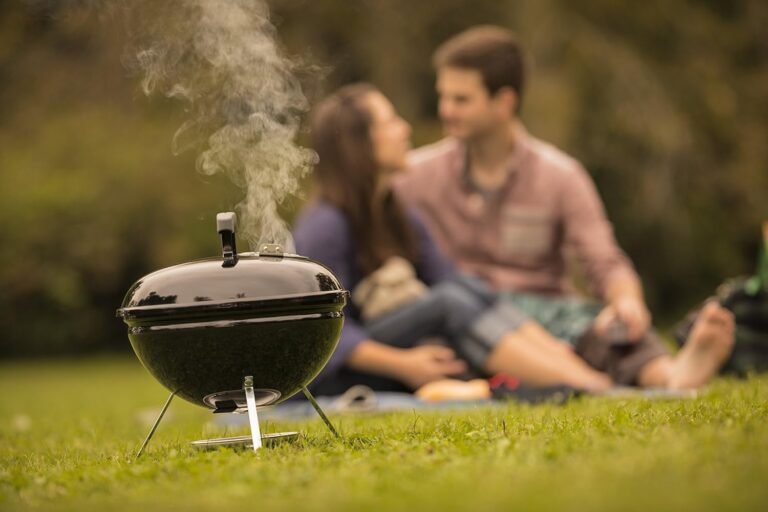
- Portable Kettle Grills: Smaller versions of backyard kettles, good for a few burgers.
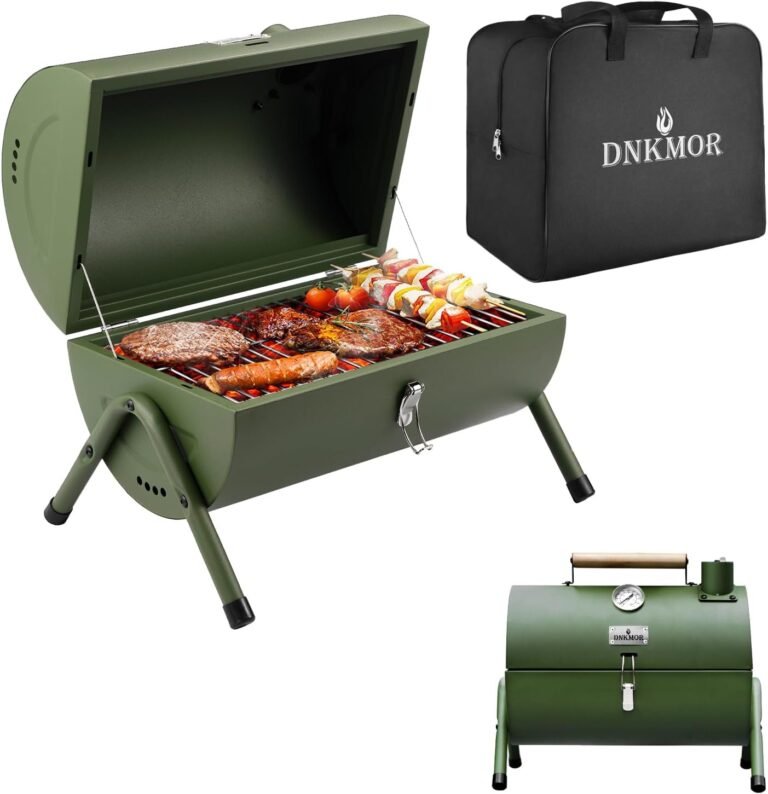
- Hibachi Grills: Compact, sturdy cast iron or aluminum, often used for direct heat cooking.
- Foldable Grills: Very basic, often just a grate over a small charcoal bed. Best for minimalists.
Wood-Burning Grills
For the truly rustic experience, cooking over an open fire or with dedicated wood-burning grills can be incredibly rewarding. It’s also often the most primitive and requires the most skill.
Pros:
- Authentic flavor: Nothing beats food cooked over real wood.
- Multi-purpose: Your campfire can also be your cooking source.
- Renewable fuel: If you can gather wood responsibly.
- Low cost: If wood is readily available and gathered.
Cons:
- Temperature control: Very difficult to regulate heat consistently.
- Time-consuming: Building a good cooking fire takes time and practice.
- Ash and soot: Very messy.
- Not allowed everywhere: Fire restrictions are a common issue.
- Safety concerns: Open flames require constant vigilance.
Common Types & Considerations:
- Grates over a campfire: The simplest approach, just a metal grate placed over your fire.
- Portable Fire Pits with Grills: Some come with integrated grates.
- Rocket Stoves: Small, efficient wood-burning stoves that can often accommodate small pots or pans.
Size Matters: How Big Do You Need to Go?
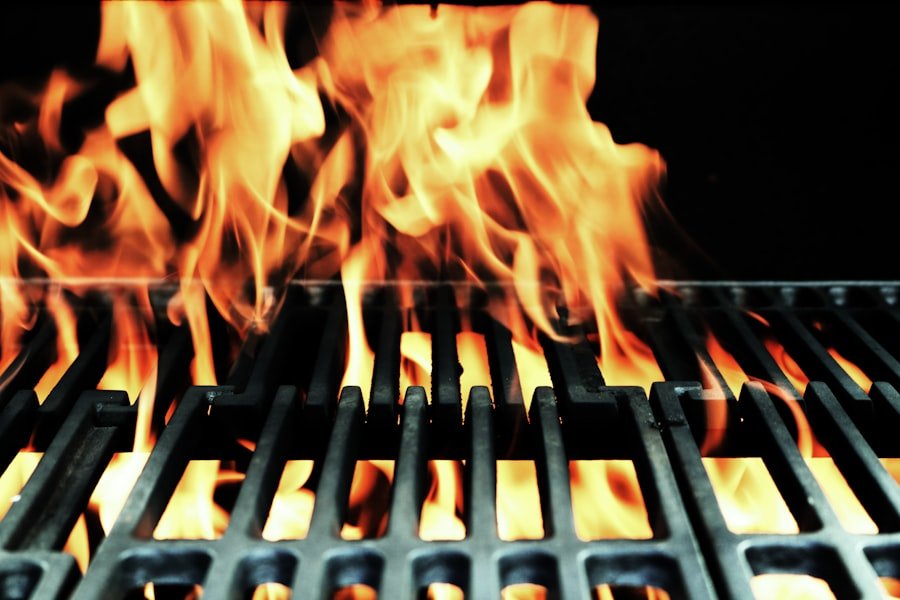
The size of your grill directly relates to how many people you’re feeding and what kind of meals you plan to make.
Compact & Solo Grills
For solo adventurers or couples, a small, single-burner propane grill or a mini-charcoal hibachi is often perfect. These are designed for portability and efficiency, allowing you to cook a handful of items without hauling a massive setup. Think small steaks, eggs, or heating up a pan of beans.
Mid-Sized & Family Grills
This is where most car campers land. Grills with two burners or a decent-sized cooking area can handle meals for 3-6 people. You can cook burgers and hot dogs on one side while simmering a pot on the other, or grill multiple items simultaneously. These often balance reasonable portability with good cooking capacity.
Large & Group Grills
If you’re hosting a large family gathering or a group trip, you’ll want something substantial. These can have three or more burners, expansive grilling surfaces, and sometimes even a griddle plate. These are typically heavier and take up more trunk space but offer maximum cooking flexibility.
Key Features to Look For: Beyond the Basics
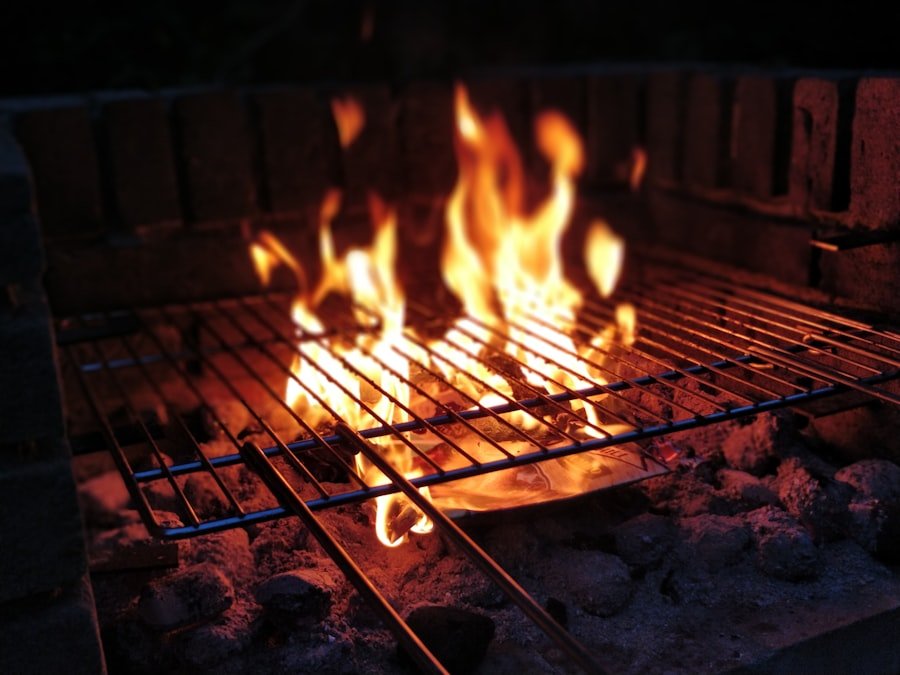
Once you’ve narrowed down your fuel and size, think about these additional features to find your ideal grill.
Cooking Surface & Grates
The material and style of your cooking grate significantly impact performance and cleaning.
Types of Grates:
- Cast Iron: Excellent heat retention and even cooking, leaves beautiful sear marks. Can be heavy and requires seasoning to prevent rust.
- Stainless Steel: Durable, rust-resistant, and relatively easy to clean. Good all-around performer.
- Porcelain-Coated Cast Iron/Steel: Combines heat retention with rust resistance. Can chip if knocked around.
- Wire Grates: Often found on simpler charcoal grills. Lightweight but can let smaller food items fall through.
Multi-Function Surfaces:
- Grill Grates: Traditional grilling for steaks, burgers, veggies.
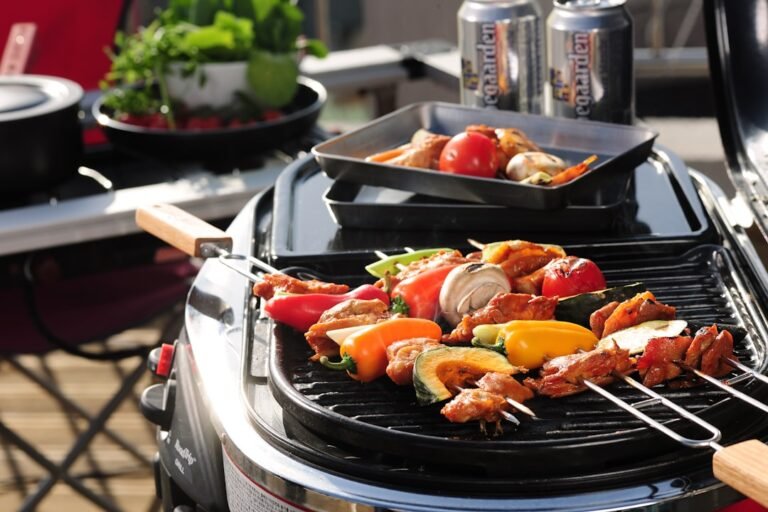
- Flat Top Griddles: Perfect for pancakes, eggs, bacon, smash burgers, or sautéing. Many portable grills offer interchangeable grate/griddle plates.
- Boiling Burners: Some grill units include a dedicated stovetop burner for pots and pans.
Portability & Setup
How easily can you transport and set up your grill?
- Foldable Legs/Stand: Many portable grills have legs that fold up for compact storage.
- Wheels: For larger, heavier units, wheels can make transport from your vehicle to the campsite much easier.
- Carry Handles/Cases: Essential for comfortable carrying and protecting the grill during transport.
- Quick-Connect Hoses: For propane grills, quick-connect fittings can save time and hassle.
Durability & Materials
Camping gear takes a beating, so choose materials that can withstand the elements and repeated use.
- Robust Construction: Look for sturdy metals and tight fittings, not flimsy plastic.
- Corrosion Resistance: Stainless steel, powder-coated steel, and anodized aluminum hold up well against rust.
- Quality Valves/Burners: These are crucial for consistent performance and longevity in propane grills.
Wind Resistance
Outdoor cooking means dealing with wind, which can cool down your grill or blow out flames.
- Wind Guards: Many camp stoves and grills have side panels to block wind.
- Recessed Burners: Burners that are set lower into the unit are less susceptible to wind.
Cleanup & Maintenance
Nobody wants to spend hours scrubbing a grill after a delicious meal.
- Removable Drip Trays: Collect grease and food particles, making cleanup a breeze.
- Non-Stick Surfaces: While not common on traditional grates, some griddles are non-stick.
- Easy-to-Clean Grates: Stainless steel and porcelain-coated grates are generally easier to wipe down.
Additional Features
- Ignition System: Push-button igniters (piezoelectric) are super convenient for propane grills.
- Thermometer: An integrated lid thermometer is great for maintaining consistent cooking temperatures, especially for larger cuts of meat.
- Side Tables: Provide extra prep space, which is always useful at a campsite.
- Storage: Some grills offer integrated storage for tools or cooking accessories.
When planning a perfect outdoor gathering, having the right equipment is essential, and a camp grill can elevate your cooking experience. For those interested in exploring various options and tips for outdoor cooking, a related article can provide valuable insights. You can check out this informative piece on grill offers that discusses the benefits of different types of grills and how to choose the best one for your needs.
Top Recommendations by Category (Examples, Not Definitive)
| Brand | Model | Material | Weight | Price |
|---|---|---|---|---|
| Coleman | RoadTrip 285 | Steel | 46 lbs | 249.99 |
| Camp Chef | Explorer 2X | Cast Iron | 30 lbs | 159.99 |
| Weber | Q 1200 | Aluminum | 29 lbs | 209.00 |
Keep in mind that specific models change, but these categories represent good types to look for.
For the Backpacking Minimalist:
- MSR PocketRocket 2 & Grill-Top: While technically a stove, you can get a small grill attachment for these ultra-light canister stoves. It won’t grill a steak, but it’s perfect for quickly heating tortillas or a small piece of sausage.
- Firebox Stove (Titanium): A super versatile, ultralight wood-burning stove that can accommodate a small grill grate. Multi-fuel capable.
For the Car Camping Couple/Small Family:
- Coleman RoadTrip 285: A very popular option. Folds down nicely with wheels, multiple burners (often 2-3), good BTU output, and interchangeable grates/griddles. Takes 1-lb propane canisters but can adapt to larger tanks.
- Weber Q series (e.g., Q1200): Known for its quality construction and even heat distribution. Compact yet powerful, often comes with a stand accessory. Excellent for direct grilling.
For the Group Feeder / RV Enthusiast:
- Camp Chef Explorer 2x Burner Stove: This isn’t just a stove; it’s a workhorse. With high BTU output, it can handle large griddles, grill boxes, and even ovens. Very sturdy, but not meant for light travel.
- Blackstone 22″ or 28″ Griddle: While primarily a griddle, many people use these for all-day camp cooking, from breakfast to dinner. Fantastic for large groups, easy to clean, and provides a massive cooking surface.
For the Charcoal Purist:
- Weber Go-Anywhere Charcoal Grill: A truly classic, compact charcoal grill. Rectangular shape, folds flat, and the lid can act as wind protection. Durable and provides that authentic charcoal flavor.
- Lodge L410 Pre-Seasoned Cast Iron Sportsman’s Grill: A heavy, sturdy, and highly efficient hibachi-style grill. Cast iron ensures excellent heat retention, perfect for searing.
When planning a perfect outdoor gathering, having the right equipment is essential, and a camp grill can elevate your cooking experience. For those looking to explore various options and tips on choosing the best grill for your adventures, you might find this article on privacy policies related to grill purchases particularly informative. It provides insights into how your personal information is handled when buying outdoor cooking gear. Check it out for more details on ensuring a safe shopping experience here.
Don’t Forget the Accessories!
A great grill is only part of the equation. A few essential accessories can make your camp cooking experience much smoother.
- Grill Utensils: Tongs, spatula, grill brush.
- Propane Adapter Hose: If using a 20-lb tank with a smaller grill.
- Fuel: Always carry more than you think you’ll need.
- Cleaning Supplies: Scraper, dish soap, paper towels, heavy-duty foil.
- Heat-Resistant Gloves: Protect your hands from hot grates.
- Cooking Oil/Sprayer: To prevent sticking.
- Storage Bag/Cover: Keeps your grill clean and protected during transport.
- Fire Extinguisher/Water: Always have a plan for accidental fires, especially with open flames.
Final Thoughts on Your Grill Hunt
Choosing the best camp grill isn’t about finding the most expensive or feature-rich model. It’s about finding the right tool for your specific needs. Think about your typical trip, the food you enjoy cooking, and who you’ll be cooking for. Don’t be swayed by marketing hype; focus on practicality, durability, and ease of use. A well-chosen camp grill can elevate your outdoor meals from basic sustenance to a memorable part of your adventure. Happy grilling!