Mastering the Art of Charcoal Grilling
So, you want to get really good at charcoal grilling? Awesome! It’s totally doable. You don’t need to be a pitmaster legend to turn out amazing food over coals. It’s mostly about understanding a few key things and practicing a bit. Think of charcoal grilling as more of a feel and less of a strict science, though there’s definitely a science behind it that helps! Let’s break down how to move from just “lighting some coals” to actually mastering this delicious way of cooking.
This is where it all begins. The fuel you choose and how you get it burning properly sets the stage for everything else.
The Different Types of Charcoal
You’ve got a few main options when you head to the store, and they do make a difference.
Lump Charcoal: The Natural Choice
Lump charcoal is essentially pieces of charred hardwood. That’s it. No additives, no binders. This means it burns hotter and cleaner than briquettes. It also tends to have a more interesting flavor profile that can subtly enhance your food. The downside? It’s usually more expensive and can be a bit less uniform in size, which can affect burn time slightly.
Briquettes: The Consistent Performer
Briquettes are the most common type. They’re made from sawdust and other wood byproducts, compressed together with binders and igniters. They’re engineered to burn for a long, consistent time and reach a predictable temperature. This makes them really easy to manage, especially for longer cooks. The trade-off can be a slightly less intense flavor and, depending on the brand, potentially more ash.
Getting Your Coals Lit – The Right Way
Forget those lighter fluids that leave a chemical taste. There are better, more flavorful ways to get your coals going.
The Chimney Starter: Your Best Friend
If you’re serious about good charcoal grilling, a chimney starter is an absolute game-changer. It’s a metal cylinder with holes. You put newspaper or a charcoal starter cube at the bottom, fill the top with charcoal, and light the paper from below. Within 10-15 minutes, your coals will be glowing and ready to go. It ensures even lighting and avoids that lighter fluid gunk.
How to Know When Your Coals Are Ready
This is a crucial visual cue. You’re looking for coals that are mostly covered in a fine gray ash. Some red embers showing through is fine, but you don’t want active flames licking everywhere. If there are still black spots visible, give them a bit more time. Coals that are fully ashed over might be past their peak for searing, but still good for lower-and-slower cooking.
If you’re looking to enhance your outdoor cooking experience, you might find it interesting to explore how technology can complement traditional grilling methods. For instance, the article on automatic robotic mowers discusses the convenience of maintaining your lawn while you focus on grilling. You can read more about it here: Automatic Robotic Mower Bluetooth App Review. This integration of technology can help create the perfect outdoor setting for your charcoal grilling sessions.
Controlling the Heat: The Heart of Charcoal Grilling
This is where true mastery comes in. It’s not just about burning, but about managing that heat precisely.
The Two-Zone Fire: Your Secret Weapon
This is probably the most important technique to learn. A two-zone fire means you create an area of direct heat and an area of indirect heat on your grill.
Setting Up for Direct and Indirect Heat
To do this, simply arrange your lit coals on one side of your charcoal grate. Leave the other side completely empty. The side with the coals is your direct heat zone – perfect for searing and quick cooking. The side without coals is your indirect heat zone – ideal for cooking thicker cuts, delicate items like fish, or when you need to finish cooking something without scorching it.
Why a Two-Zone Fire Matters
This setup gives you incredible control. You can sear a steak over the direct heat, then move it to the indirect side to finish cooking without burning the outside. It’s also crucial for avoiding flare-ups – if things get too wild over the direct heat, you just slide your food over to the cooler indirect zone.
Managing Temperature with Vents and Coals
Your grill has vents for a reason, and you can also play with the amount of charcoal to control your temperature.
Understanding Vent Control
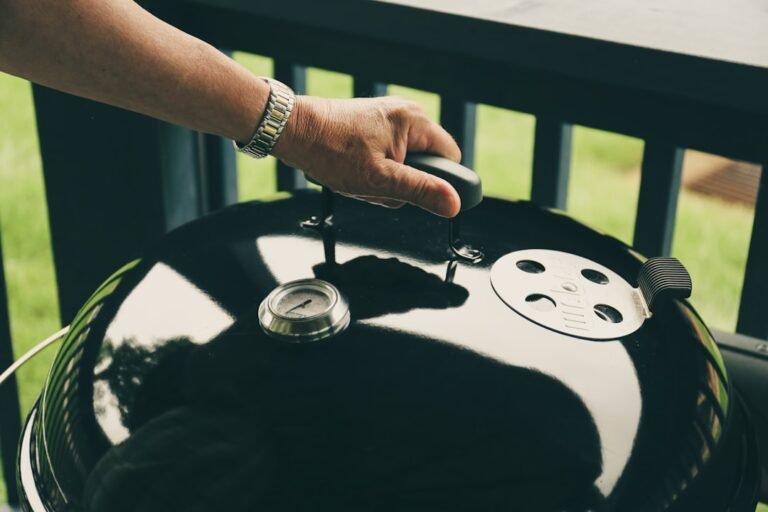
Most charcoal grills have vents on the bottom (usually in the ash catcher) and on the lid. These control airflow. More airflow means hotter fire. Less airflow means cooler fire. The bottom vents are your primary temperature-control mechanism. If it’s too hot, close them down a bit. If it’s not hot enough, open them wider. The lid vents help control the overall circulation of heat within the grill.
Adjusting Coal Quantity
Simply put, more charcoal equals more heat. Fewer coals mean less heat. For high-heat searing, you’ll want a full bed of coals. For a low-and-slow cook, you might only need a few coals strategically placed.
Grilling Techniques for Delicious Results
Once you have your fire controlled, you can focus on how you cook your food.
Searing to Perfection
That beautiful crust you get on a high-quality steak or burger? That’s thanks to searing.
The Importance of a Hot Grill
You need a screaming hot grill for a good sear. This means ensuring your coals are fully lit and ashed over, and your grill grates are clean and hot. Don’t be afraid of a little smoke from the coals – it’s part of the flavor.
Using Direct Heat for the Crust
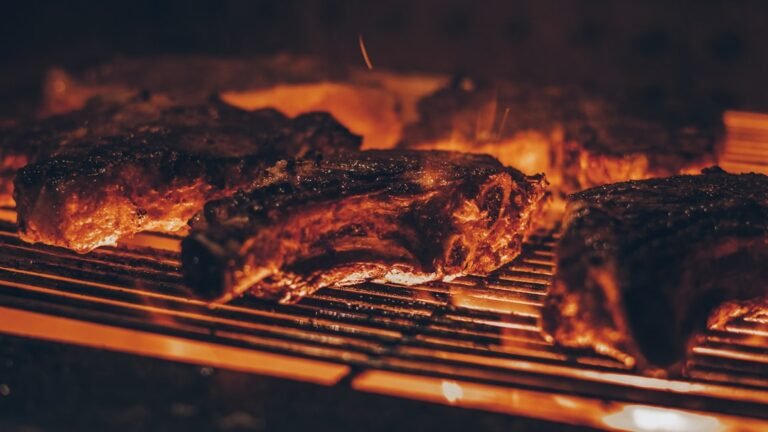
Place your food directly over the hot coals. You’ll want to get that beautiful brown crust forming quickly. For steaks, this is typically a few minutes per side, depending on thickness and desired doneness.
Low-and-Slow vs. High-Heat Cooking
Different foods call for different approaches. Understanding when to use direct vs. indirect heat is key here.
When to Use Direct Heat
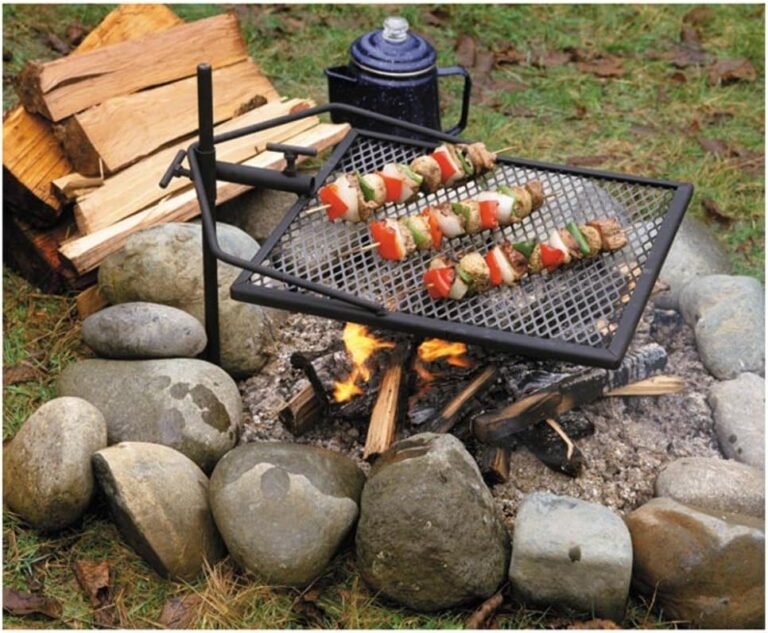
Direct heat is for foods that cook quickly and benefit from intense heat and char. Think burgers, thin steaks, fish fillets, vegetables like corn on the cob or asparagus, and kebabs.
When to Use Indirect Heat
Indirect heat is your friend for larger, thicker cuts of meat that need time to cook through without burning. This includes whole chickens, pork shoulders, ribs, brisket, and larger roasts. You can also use indirect heat to keep food warm or gently finish cooking something after searing.
The Art of Flare-Up Management
Those sudden bursts of flame can be intimidating, but they’re manageable.
What Causes Flare-Ups?
Flare-ups happen when fat or marinade drips from your food onto the hot coals, igniting.
How to Tame the Flames
The easiest way to deal with a flare-up is to move your food to the indirect heat zone of your grill until the flames die down. Sometimes, simply closing the lid for a moment can also reduce the oxygen and help put out smaller flames. Avoid spraying water on coals; it can create ash and steam, which isn’t ideal. It’s better to let them burn out.
Expanding Your Grilling Horizons
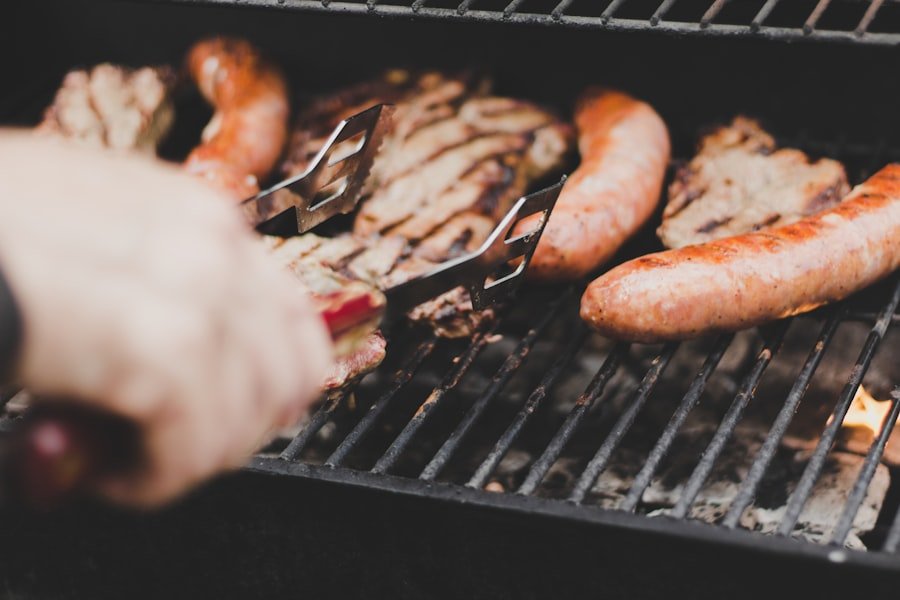
Once you’re comfortable with the basics, you can start experimenting and tackling more ambitious projects.
Smoking on a Charcoal Grill
Yes, you can absolutely smoke food on a charcoal grill! It’s a fantastic way to get that smoky flavor without a dedicated smoker.
Adding Wood Chunks or Chips
The key to smoking on a charcoal grill is adding wood. You can use wood chunks or chips. Soak chips in water for about 30 minutes before using; chunks can be used dry or soaked.
Where and When to Add Wood
For a two-zone fire, place your wood chunks or chips over the hot coals on the direct heat side. As they start to smoke, they’ll infuse the indirect heat zone where your food is cooking. Start with a few pieces and add more as needed based on the intensity of smoke you want.
Grilling Different Foods: Beyond Steaks and Burgers
Don’t limit yourself! Charcoal grilling is incredibly versatile.
Seafood Sensations
Fish and shellfish cook quickly and benefit wonderfully from the direct heat of the grill. Think grilled salmon with a bit of char, shrimp skewers, or even whole fish. Be careful not to overcook delicate seafood.
Vegetable Ventures
Vegetables transform on the grill. Asparagus, bell peppers, zucchini, eggplant, corn on the cob, and even hearty root vegetables can be incredibly delicious when grilled. A little olive oil, salt, and pepper are often all you need.
Pizzas and Flatbreads
Believe it or not, you can make amazing pizza on a charcoal grill. You’ll want a good heat, a pizza stone or steel, and a watchful eye. The smoky char is something you just can’t replicate in an oven.
If you’re considering upgrading your outdoor cooking experience, you might find it helpful to read about the benefits of using charcoal grills. These grills not only enhance the flavor of your food but also provide a unique cooking experience that many enthusiasts cherish. For more insights on this topic, check out this informative article on grilling essentials at Grill Offers, where you can discover tips and tricks to make the most of your charcoal grilling adventures.
Maintenance and Safety First
| Brand | Model | Price | Cooking Area (sq. inches) | Material |
|---|---|---|---|---|
| Weber | Original Kettle Premium Charcoal Grill | 149 | 363 | Porcelain-enameled steel |
| Char-Griller | Acorn Kamado Kooker Charcoal Grill | 299 | 314 | Cast iron |
| PK Grills | Original PK Grill & Smoker | 369 | 300 | Aluminum |
Good grilling habits extend beyond just cooking. These two aspects are crucial.
Keeping Your Grill Clean
A clean grill is a happy grill, and it cooks better food.
Cleaning Your Grates
After every cook, while the grates are still warm (but not scorching hot), give them a good scrub with a stiff wire brush. This removes any stuck-on food bits. A quick wipe-down with a paper towel after they’ve cooled a bit can also help.
Ash Management
Regularly empty the ash catcher if your grill has one. Ash can block airflow and potentially make your grill hotter than you intend. Some people even give their grill a light wash and scrub every now and then during the off-season.
Safety on the Grill
Grilling involves fire, so safety is paramount.
Grilling in a Safe Location
Always grill in a well-ventilated area, away from any flammable materials like overhanging tree branches, wooden structures, or gas tanks.
Handling Hot Coals
Never touch hot coals with your bare hands. Use long-handled tongs or a grill shovel. Be cautious when disposing of ash; ensure it’s completely cooled before putting it in a trash bin.
Safe Fuel Handling
Store charcoal bags in a cool, dry place. Never use lighter fluid to relight coals that have already burned out; use fresh coals or a chimney starter.
Mastering charcoal grilling is a journey, not a destination. It’s about gaining confidence with your equipment, understanding how fire behaves, and letting your palate guide you. Don’t be discouraged by a few burnt edges or an undercooked center early on. Every cook is a learning opportunity. With a little practice and by keeping these practical tips in mind, you’ll soon be turning out incredible meals that your friends and family will rave about. Now, go fire up those coals!