Ultimate Portable Grill Guide: Grilling on the Go
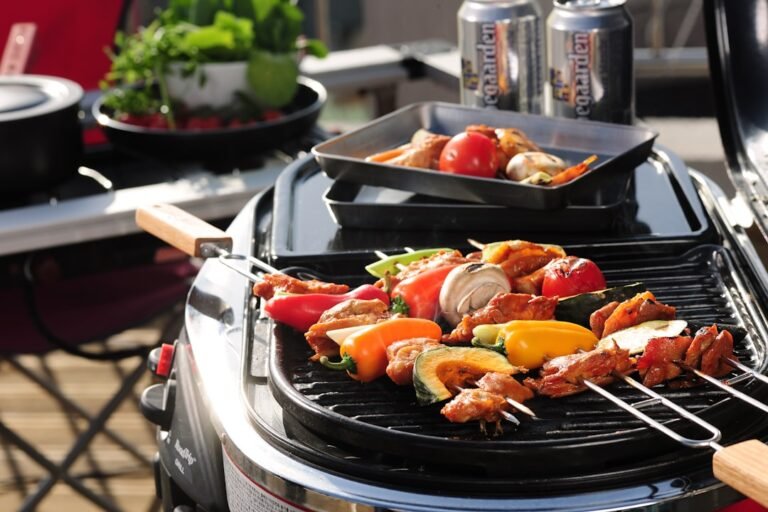
So, you want to grill on the go? The short answer is yes, absolutely! Portable grills have come a long way, offering everything from compact charcoal companions to surprisingly powerful gas units. Whether you’re heading to the beach, a campsite, a tailgate party, or just your backyard patio, there’s a portable grilling solution out there for you. This guide will help you navigate the options and get you cooking outdoors with ease and confidence.
Let’s be real, part of the joy of grilling is being outside. A portable grill takes that joy and multiplies it by letting you take it anywhere. Forget being tied to your backyard; imagine sizzling burgers at a scenic overlook or perfectly grilled vegetables at a picnic.
Beyond the Backyard
Portable grills aren’t just for camping trips anymore. They’re fantastic for:
- Tailgating: The quintessential portable grilling experience. Hot dogs, burgers, sausages – fueling pre-game excitement.
- Park Picnics: Elevate your picnic game from cold sandwiches to freshly grilled delights. Just make sure grilling is allowed!
- Beach Days: What’s better than listening to the waves crash while your shrimp skewers cook?
- Apartment/Condo Living: If you don’t have a large yard, a portable grill on a balcony (check local fire codes!) can be a game-changer.
- Small Gatherings: Need an extra cooking surface for a backyard party or just want to cook something a little removed from the main action? A portable grill fits the bill.
Space Savers for Savvy Grilling
One of the biggest advantages is their compact size. They’re designed to be easily stored in your garage, shed, or even a closet without taking up much real estate. This makes them perfect for smaller living spaces or anyone who doesn’t want a massive grill dominating their patio. Plus, their lighter weight means less back strain when moving them around.
If you’re considering enhancing your outdoor cooking experience, you might find it useful to explore the benefits of portable grills. These versatile cooking devices are perfect for picnics, camping trips, and backyard gatherings. For more insights on outdoor equipment that can elevate your leisure time, check out this related article on robotic lawn mowers, which can help you maintain a pristine yard while you enjoy your grilling: Gardena 15101-41 Sileno Life Automatic Robotic Lawn Mower Review.
Choosing Your Grilling Fuel: Charcoal vs. Gas
This is the big decision point and it often comes down to personal preference and what kind of grilling experience you prioritize. Both have their merits.
The Allure of Charcoal
For many, charcoal is the “authentic” grilling experience. It’s about the smoky flavor, the ritual of lighting the coals, and the satisfaction of cooking over real fire.
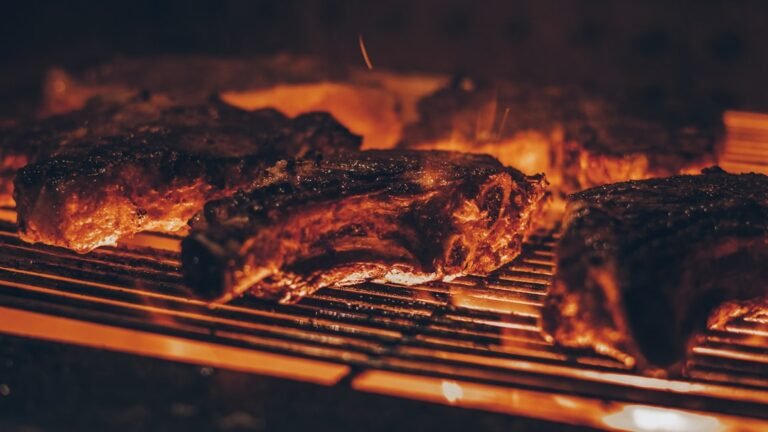
- Flavor Profile: The undisputed champion of smoky flavor. Drippings hitting glowing coals create that distinct, mouth-watering taste many crave.
- Cost-Effective Fuel: Charcoal briquettes or lump charcoal are generally cheaper per cook than propane tanks.
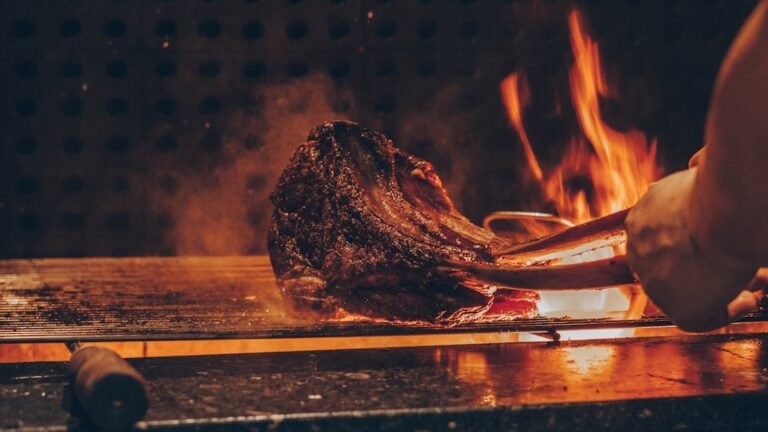
- High Heat Potential: Charcoal can get incredibly hot, making it excellent for searing steaks and achieving a good crust.
Downsides to Consider:
- Longer Start-Up Time: You need to wait for the coals to ash over before you can start cooking, which can take 15-30 minutes.
- Temperature Control: More challenging to precisely control temperature compared to gas. It’s an art, not a science, with vents and coal arrangement.
- Messier Cleanup: Ash disposal can be a bit messy, and the grill itself usually requires more vigorous cleaning.
- Less Convenient: Not ideal for quick, impromptu cooking sessions.
The Convenience of Gas
Gas grills, typically propane, are all about speed and convenience. If you want to fire it up and start cooking within minutes, gas is your go-to.
- Quick Start-Up: Push a button, turn a knob, and you’re usually ready to cook in minutes.
- Precise Temperature Control: Burners allow you to dial in specific temperatures and create different heat zones.
- Cleaner Operation: No ash to deal with, and drips are usually collected in a removable tray.
- Versatility: Many gas portable grills offer multiple burners, side tables, and other features that mimic their larger counterparts.
Downsides to Consider:
- Flavor Profile: While good, it doesn’t offer the same smoky depth as charcoal. Some people use smoker boxes or wood chips to compensate.
- Fuel Cost and Availability: Propane tanks need refilling or swapping, and can be heavier to transport. You also need to keep an eye on your fuel level.
- Heat Output: While powerful, some smaller gas grills might struggle to reach roaring high temperatures as consistently as charcoal.
Essential Features to Look For

Beyond fuel type, there are several practical features that distinguish a good portable grill from a great one. Don’t get swayed by bells and whistles you won’t use.
Cooking Surface Area: Size Matters
Think about how many people you typically cook for. A small grill might handle 2-3 burgers, while a larger one could manage 6-8.
- Individual/Couples: 100-150 sq. inches might be enough.
- Small Families/Groups: 150-250 sq. inches provides more flexibility.
- Larger Gatherings/Tailgating: Look for 250+ sq. inches if you’re frequently cooking for a crowd.
Don’t forget the effective cooking area – some grills have warming racks that don’t count for primary grilling.
Portability and Storage: Pack Up and Go
This is the whole point, right? How easy is it to move and store?
- Weight: Lighter grills are easier to carry over longer distances.
- Compact Design: Does it fold down? Are components self-contained?
- Security: Does it have latches or locks to keep the lid secure during transport?
- Handles: Comfortable, heat-resistant handles for easy carrying.
- Integrated Stand/Cart: Some portable grills come with a built-in stand or folding cart, making them more like a traditional grill without lifting.
Build Quality: Durability for the Outdoors
Portable grills take a beating. They’re tossed in trunks, exposed to the elements, and generally put through their paces.
- Materials: Stainless steel or heavy-gauge enameled steel will offer better longevity.
- Grates: Cast iron retains heat well and creates excellent sear marks, but cast iron can be heavy and requires more maintenance. Stainless steel or porcelain-coated steel are lighter and easier to clean.
- Legs/Base: Sturdy legs are crucial for stability on uneven surfaces.
Heat Output and Distribution: Even Cooking
Especially for gas grills, consistent heat across the cooking surface is vital.
- BTUs (Gas): While higher BTUs don’t always mean better, for gas grills, a decent BTU rating for the size ensures quick preheating and recovery.
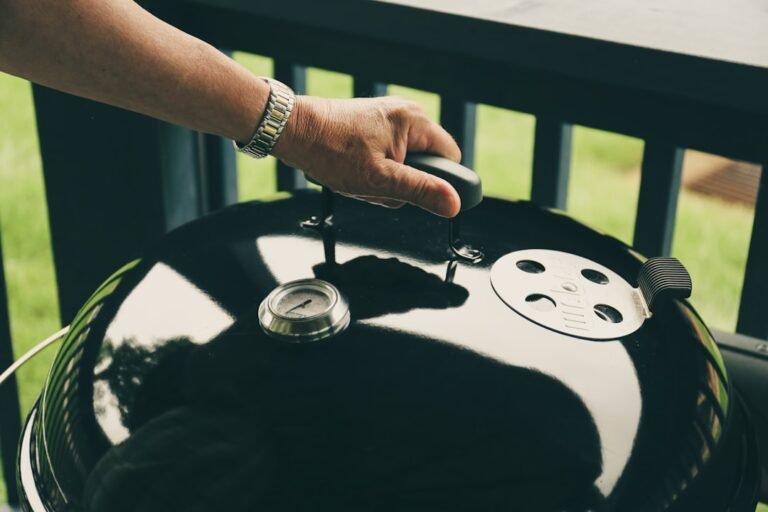
- Ventilation (Charcoal): Well-designed top and bottom vents are key for temperature control with charcoal grills.
- Lid Design: A well-fitting lid helps retain heat and cooks food more evenly, especially for larger items.
Popular Portable Grill Types
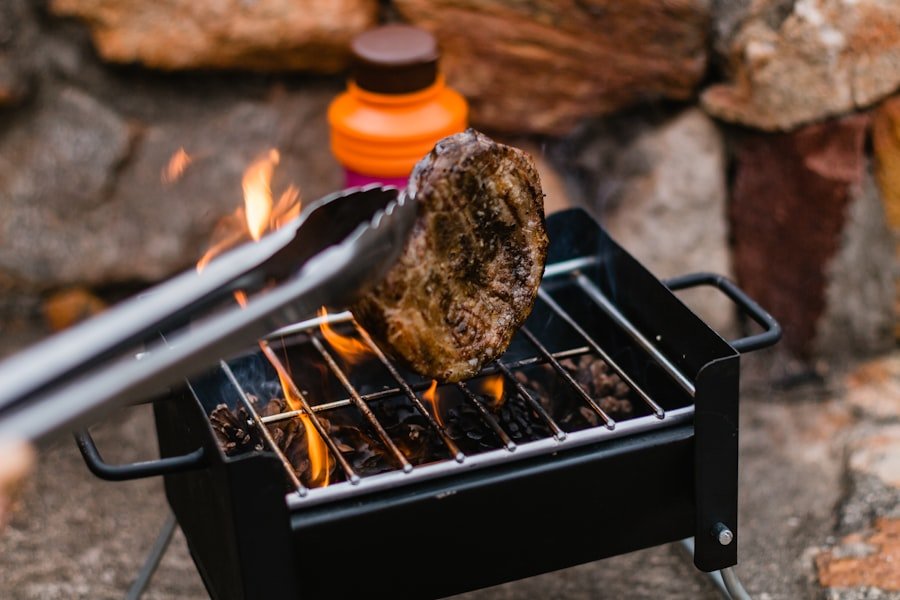
Breaking down the market into common categories can help narrow your search.
Tabletop Wonders
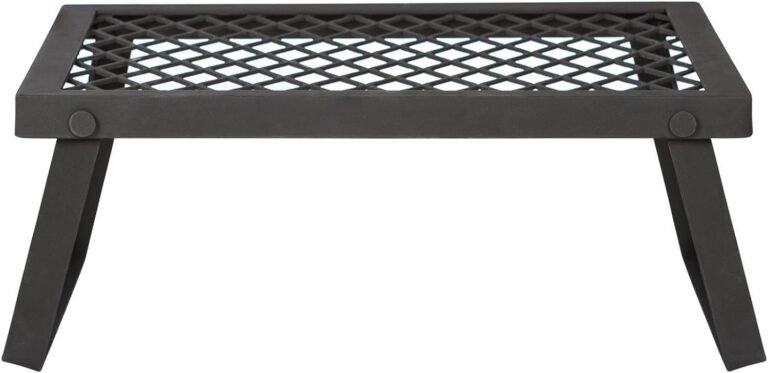
These are the most basic and often the most compact. Designed to sit directly on a picnic table or stable surface.
- Pros: Super lightweight, very small footprint, often the most affordable.
- Cons: No integrated stand, limited cooking area, usually basic features.
- Best For: Individuals or couples, short trips, minimal space.
Foldable/Collapsible Designs
These grills often come with integrated legs or carts that fold down, offering a more traditional grilling height while still being transportable.
- Pros: Convenient height, often more cooking area, excellent stability, good mobility.
- Cons: Usually heavier and bulkier than tabletop models, can be pricier.
- Best For: Tailgating, family picnics, camping where space for setting up is available.
Electric Portables: The Indoor/Outdoor Bridge
While not strictly “on the go” for all outdoor scenarios (they need an outlet), electric portable grills are fantastic for balconies or areas where open flames are restricted.
- Pros: No fuel to carry, very easy to clean, quick heating, suitable for indoors/outdoors (with power).
- Cons: Needs an electrical outlet, doesn’t achieve sear quite like gas/charcoal, no smoky flavor.
- Best For: Apartment/condo dwellers, small patios, situations where fire restrictions apply.
If you’re considering a portable grill for your next outdoor adventure, you might find it helpful to read an article that discusses the best accessories to enhance your grilling experience. These accessories can make a significant difference in convenience and cooking quality. For more insights, check out this informative piece on grilling essentials at Grill Offers.
Tips for Grilling on the Go
| Product | Price | Weight | Dimensions |
|---|---|---|---|
| Portable Grill A | 89.99 | 15 lbs | 20″x10″x15″ |
| Portable Grill B | 79.99 | 12 lbs | 18″x8″x12″ |
| Portable Grill C | 99.99 | 18 lbs | 22″x12″x18″ |
Just because it’s portable doesn’t mean you should skimp on good grilling practices.
Prep Ahead: Your Best Friend
Do as much as you can before you leave home.
- Marinate: Marinate meats and vegetables beforehand and store them in sealed containers.
- Chop: Chop vegetables, slice cheese, and prepare toppings in advance.
- Pack Smart: Use reusable containers and a good cooler to keep everything fresh and organized.
Safety First, Always
Portable grilling often means cooking in unfamiliar surroundings.
- Stable Surface: Always place your grill on a stable, level, non-flammable surface.
- Clearance: Keep it away from tents, dry brush, overhanging branches, and anything flammable.
- Fire Extinguisher/Water: Have a bucket of water or a small fire extinguisher nearby, especially with charcoal.
- Watch for Wind: Wind can cause flare-ups and make temperature control difficult. Position your grill to minimize wind exposure.
- Cool Down Completely: Ensure charcoal grills are completely cool before disposing of ash. Gas grills should be fully turned off and cool to the touch before packing.
- Propane Tank Safety: Keep tanks upright, never store them indoors, and transport them securely.
Essential Accessories
While your grill will handle the cooking, a few extra items will make the experience much smoother.
- Long-Handled Tongs and Spatula: Don’t risk burning your hands.
- Meat Thermometer: The only way to ensure your food is cooked safely and perfectly.
- Grill Brush: For easy cleanup between cooks.
- Aluminum Foil: Versatile for cooking delicate items, making foil packets, or easy cleanup.
- Igniter (Gas) / Chimney Starter (Charcoal): Reliable ignition sources are crucial.
- Gloves: Heat-resistant gloves are invaluable for moving hot grates or charcoal.
- Trash Bags: Pack out everything you pack in, and dispose of waste properly.
- Small Cutting Board and Knife: For last-minute prep.
Cleaning Up Made Easy
Don’t let the cleanup deter you from enjoying your meal.
- Scrape While Warm: It’s easiest to scrape grill grates when they’re still a bit warm.
- Line Drip Trays: For gas grills, lining the drip tray with foil can make grease disposal much cleaner.
- Ash Disposal (Charcoal): Wait until completely cool, then seal ash in heavy-duty foil or designated ash bags before disposing of it in a trash can. Never dump hot ashes directly into a waste bin.
- Wipe Down: Give your grill a quick wipe down after cooling to remove any spills or splatters.
Final Thought: Enjoy the Journey
Ultimately, a portable grill is about enhancing your outdoor adventures. It’s about feeding your hungry crew at the campsite, savoring a grilled hot dog at the stadium, or enjoying a quiet meal with a view. Don’t overthink it too much. Pick a grill that fits your lifestyle, learn its quirks, and get out there and cook! Happy grilling on the go!