Gas Griller for Sale: Upgrade Your BBQ Game Today!
Looking to upgrade your BBQ game? A gas griller is a fantastic way to do it. Forget wrestling with charcoal and waiting for coals to ash over. Gas grills offer instant heat, precise temperature control, and a cleaner cooking experience. Whether you’re a seasoned grill master or just starting out, a gas grill can elevate your outdoor cooking, making it easier and more enjoyable.
So, why make the switch or upgrade to a gas grill? It boils down to convenience and control. These aren’t just minor perks; they fundamentally change your grilling experience for the better.
Instant Gratification
Imagine this: you decide to grill spontaneously. With a charcoal grill, you’re looking at a good 20-30 minutes just to get it ready. With a gas grill, you turn a knob, press a button, and boom – you’re preheating. This instant gratification means you’re more likely to use your grill, even for quick weeknight meals. No more planning your meal around the charcoal burn time.
Precision Cooking at Your Fingertips
One of the biggest advantages of gas grills is temperature control. Think of it like your indoor range. You can adjust the flame up or down, allowing you to sear steaks at high heat on one burner and gently cook vegetables on a lower heat zone simultaneously. This multi-zone cooking capability is incredibly useful, especially when you’re preparing different types of food that require varying temperatures.
Cleaner and Greener
Charcoal grilling, while offering a unique flavor, can be a messy affair. Ash, soot, and the disposal of used coals are all part of the process. Gas grills, on the other hand, produce very little ash and are generally much cleaner to operate and maintain. Plus, many gas grills are considered more environmentally friendly due to lower emissions compared to charcoal.
Versatility in Your Outdoor Kitchen
Gas grills aren’t just for burgers and hot dogs anymore. Modern models come equipped with features that expand your outdoor cooking repertoire significantly. From rotisserie attachments for succulent roasted chickens to side burners for sauces and sides, a gas grill can transform your backyard into a truly functional outdoor kitchen.
If you’re considering purchasing a gas griller, you might find it helpful to read more about the benefits and features of different models in our related article. This resource provides insights into what to look for when selecting the perfect gas griller for your outdoor cooking needs. For more information, check out our article here: Gas Griller Buying Guide.
Choosing the Right Gas Griller for You
With so many options out there, picking the right gas grill can feel a bit overwhelming. But by considering a few key factors about your grilling habits and needs, you can narrow down the choices significantly.
Size Matters: How Many are You Feeding?
The first thing to think about is how much cooking space you actually need. Are you usually grilling for a small family of four, or do you frequently host large gatherings?
Compact & Portable Options
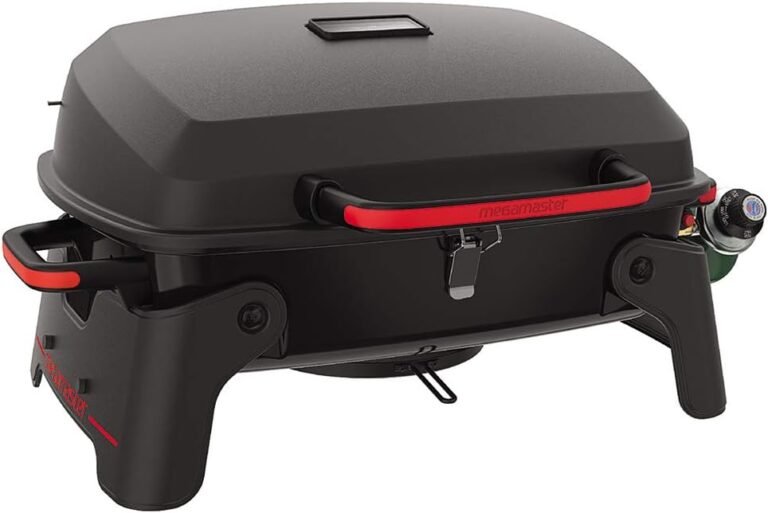
If you’re tight on space, live in an apartment with a small balcony, or love to tailgate, a compact or portable gas grill might be perfect. These often have one or two burners and are designed for efficiency and easy transport. Don’t let their size fool you; many can still deliver excellent cooking results.
Mid-Sized Workhorses
For most families, a mid-sized grill with three or four burners is often the sweet spot. This provides enough primary cooking area for a typical family meal and some room for indirect cooking or searing. It’s also usually manageable in terms of footprint and fuel consumption.
Large & Luxurious Grilling Stations
If you’re a serious entertainer or simply love having ample space for multi-zone cooking, a five-burner or larger grill might be what you’re after. These often come with additional features like side burners, infrared searing zones, or warming racks, essentially becoming outdoor cooking centers.
Fueling Your Flame: Propane vs. Natural Gas
Gas grills primarily run on one of two fuel sources: propane or natural gas. Each has its own set of considerations.
Propane Portability
Propane is the more common choice, packaged in portable tanks that you can exchange or refill. This offers flexibility in where you place your grill, as you’re not tethered to a gas line. The downside is needing to monitor your fuel level and potentially running out mid-cook.
Natural Gas Convenience
Natural gas grills connect directly to your home’s gas line, meaning you never have to worry about running out of fuel. This is incredibly convenient but requires professional installation and limits your grill’s placement to areas near a gas hookup. It’s often more cost-effective in the long run as well.
Materials & Build Quality: Investing in Longevity
A grill is an investment, and the materials it’s made from directly impact its durability and how long it will last.
Stainless Steel Appeal
Stainless steel is a popular choice for its sleek look and rust resistance. However, not all stainless steel is created equal. Look for grills with higher grades of stainless steel (like 304) for better corrosion resistance.
Cast Iron Grates
Cooking grates are crucial. Cast iron, especially porcelain-enameled cast iron, is excellent for heat retention and creating beautiful sear marks. Stainless steel grates are also durable and easier to clean.
Aluminum & Other Alloys
Components like the firebox and side tables might be made from cast aluminum or other alloys. These materials can offer good durability and heat retention without adding excessive weight.
Key Features to Consider on Your New Gas Griller
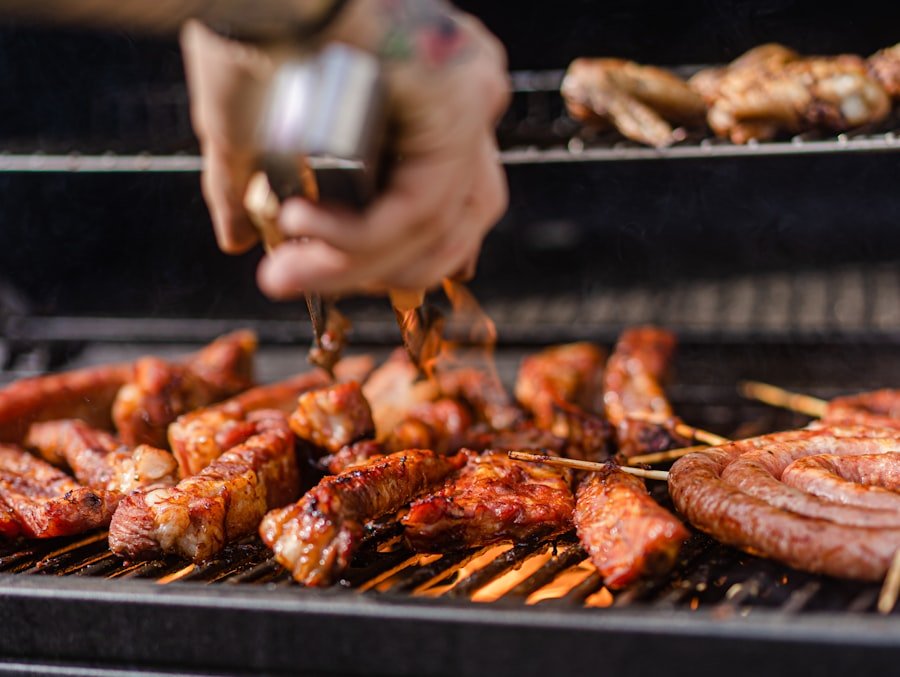
Beyond the basics, modern gas grills come packed with features that can significantly enhance your grilling experience. Thinking about which of these are important to you will help narrow down the options.
Burner Power and Configuration
The number of BTUs (British Thermal Units) gives you a rough idea of the grill’s maximum heat output. While a higher BTU count generally means more heat, efficient grill design is just as important.
Primary vs. Secondary Burners
Most grills have main burners for the primary cooking surface. Many also include secondary burners like a side burner for pots and pans, or an infrared searing burner that gets incredibly hot for that perfect crust on steaks.
Rotisserie Burner
For those who love roasted chicken, pork loin, or even a prime rib cooked slowly and evenly, a dedicated rotisserie burner and motor assembly can be a fantastic addition. It provides indirect heat for truly succulent results.
Cooking Grates: The Foundation of Flavor
The material and design of your cooking grates play a huge role in how your food cooks and cleans up.
Porcelain-Enameled Cast Iron
These grates combine the heat retention of cast iron with a protective porcelain layer that makes them easier to clean and more rust-resistant. They create great sear marks.
Stainless Steel Rods
Durable and relatively easy to clean, stainless steel grates are another popular option. They conduct heat well, though they might not hold heat quite as effectively as thick cast iron.
Heavy Gauge Construction
Regardless of material, look for heavy-gauge grates. Thicker grates retain heat better, leading to more even cooking and better sear marks.
Temperature Control and Monitoring
Precision is key to great grilling. How well a grill allows you to manage heat can make all the difference.
Individual Burner Controls
The ability to control each burner independently is a game-changer. This allows for direct and indirect heat zones, perfect for cooking different items at once or for low and slow grilling.
Built-in Thermometer
Most grills come with a hood-mounted thermometer. While these are good for general temperature readings, for true precision, consider an external meat thermometer or a grill with a more accurate digital display.
Convenient Extras and Design Aspects
Small details can make a big difference in the usability and enjoyment of your grill.
Side Shelves and Storage
Ample side shelves provide valuable prep space for platters, tools, and sauces. Enclosed cabinets below the grill can store your propane tank, grilling tools, and even extra condiments, keeping your grilling area tidy.
Warming Rack
A warming rack is incredibly useful for keeping cooked food warm without overcooking it, or for toasting buns.
Cabinet Space and Tool Hooks
Having hooks for your tongs, spatulas, and brushes, and enclosed storage for your tank and other accessories, keeps your grilling area organized and efficient.
Ignition System
Look for a reliable electronic ignition system that lights every time. There’s nothing more frustrating than a grill that won’t light.
Setting Up and Maintaining Your New Gas Griller
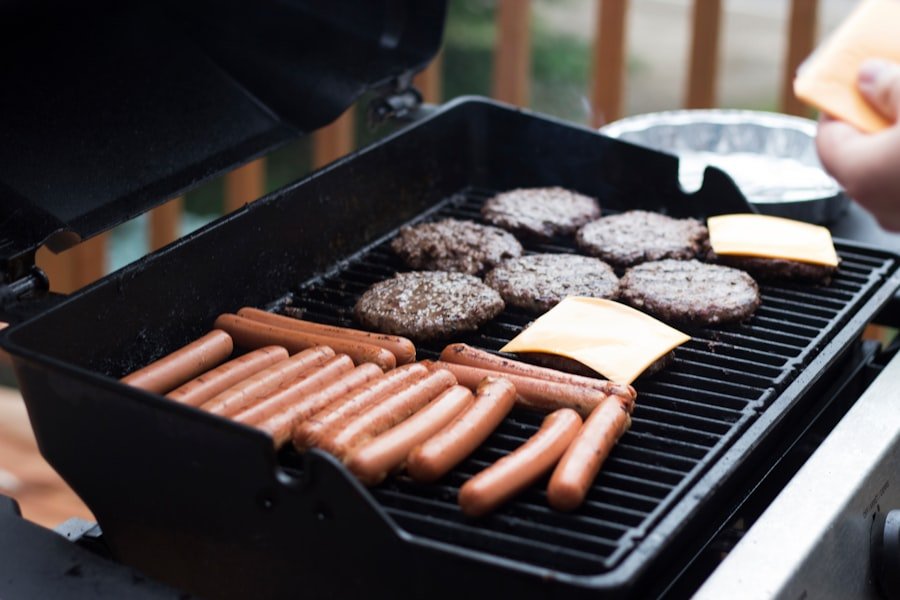
Once you’ve made your purchase, proper setup and regular maintenance will ensure your gas grill performs beautifully for years to come.
Unboxing and Assembly Tips
Most gas grills come “ready to assemble.” While it might seem daunting, taking your time and following the instructions carefully will make the process smoother.
Read the Manual First
It might sound obvious, but actually read through the entire assembly manual before you start. This gives you an overview of the steps and helps you avoid common mistakes.
Lay Out All Parts
Before you begin, lay out all the parts and components, checking them against the parts list. This confirms you have everything and helps you identify pieces easily.
A Helping Hand
Some larger grills can be a bit unwieldy. Having a second person to help lift and hold components can make assembly much easier and safer.
First Light and Burn-Off
Before you cook any food, it’s crucial to perform an initial burn-off.
Seasoning the Grates
For cast iron grates, some manufacturers recommend seasoning them with a high-heat cooking oil (like grapeseed or vegetable oil) to create a protective, non-stick layer.
Burn Off Factory Residue
Heat your grill to its highest setting for about 15-20 minutes. This burns off any manufacturing oils or residues, ensuring your first meal is free of any industrial smells or tastes.
Keeping Your Grill Squeaky Clean
Regular cleaning is the secret to a long-lasting and great-performing grill.
After Every Use: Grate Scrape
While the grates are still warm (but not scorching hot), use a good quality grill brush to scrape off any food residue. This prevents build-up and makes future cleanup easier.
Deep Cleaning: Every Few Months
Every few months, or more often if you grill frequently, give your grill a deeper clean.
Burner Maintenance
Check your burner tubes for any blockages (spiderwebs are a common culprit). Use a wire brush or a narrow tool to clean out any debris that might be impeding gas flow.
Grease Tray Emptying
This is crucial. The grease tray collects drippings, and if it overflows, it can become a fire hazard. Empty and clean it regularly.
Exterior Wipe Down
Wipe down the stainless steel or painted surfaces with an appropriate cleaner to keep your grill looking sharp.
If you’re considering upgrading your outdoor cooking experience, you might want to explore a variety of options available for gas grillers for sale. These grills offer convenience and efficiency, making them a popular choice among grilling enthusiasts. For more insights on how to choose the perfect gas griller, check out this informative article that provides tips and recommendations. You can find it here: related article. Whether you’re a seasoned chef or a weekend warrior, finding the right grill can elevate your culinary adventures.
Safety First: Grilling Responsibly
| Brand | Model | Price | BTU | Cooking Area |
|---|---|---|---|---|
| Weber | Spirit II E-310 | 399 | 30,000 | 529 sq in |
| Char-Broil | Performance 300 | 249 | 24,000 | 300 sq in |
| Napoleon | Rogue XT 425 | 799 | 36,000 | 425 sq in |
Grilling is a fun and generally safe activity, but like any cooking with open flames and fuel, it requires common sense and adherence to safety guidelines.
Placement Matters
Where you put your grill makes a big difference.
Away From Structures
Ensure your grill is at least 10 feet away from your house, fences, railings, or any other combustible materials. That stray spark or sudden flare-up can cause serious damage quickly.
On a Level, Stable Surface
Place your grill on a flat, stable surface where it won’t wobble or tip over. Keep an eye out for uneven paving stones or soft ground.
Propane Tank Handling
Propane tanks require careful handling.
Check for Leaks
Before every use, especially after replacing a tank, do a quick leak test. Mix a solution of dish soap and water and apply it to the tank valve and hose connections. If you see bubbles, you have a leak. Turn off the gas immediately and tighten connections or replace faulty parts.
Upright Storage
Always store propane tanks upright and never indoors or in enclosed spaces like garages where gas could build up if there’s a leak.
Don’t Overfill
Only fill propane tanks to 80% capacity. This leaves room for expansion if temperatures rise.
During Grilling Safety
While the flames are dancing, keep these tips in mind.
Never Leave Unattended
Don’t wander off while your grill is lit. Flare-ups can happen quickly, and keeping an eye on it allows you to react immediately.
Keep a Fire Extinguisher Handy
A small fire extinguisher (rated for grease fires) or a bucket of sand should always be within easy reach in case of an emergency. Never use water on a grease fire.
Keep Children and Pets Away
Establish a “no-go” zone around the grill to keep curious kids and pets at a safe distance from hot surfaces and open flames.
Post-Grill Precautions
Even after the food is off, safety remains important.
Turn Off Gas
Always turn off the gas supply at the tank or the main gas line (for natural gas grills) when you’re done grilling. This prevents accidental leaks.
Allow to Cool
Let the grill cool down completely before covering it or moving it. Hot grates and surfaces can stay hot for a long time.
Advanced Grilling Techniques with Your Gas Griller
Don’t think of your gas grill as just a “burger machine.” It’s incredibly versatile and can handle a wide range of cooking techniques.
Direct vs. Indirect Heat
This is a fundamental concept in grilling that a multi-burner gas grill excels at.
Direct Heat
This is when food is placed directly over the lit burners. It’s ideal for searing, grilling thin cuts of meat, and anything that cooks quickly (steaks, burgers, hot dogs, thin vegetables).
Indirect Heat
This involves placing food over unlit burners, with lit burners on either side creating convection heat inside the grill. It’s perfect for larger cuts of meat (roasts, whole chickens), delicate items (fish), or anything that needs to cook slowly without burning the outside.
Reverse Searing
For thick steaks, reverse searing is a game-changer. It ensures a perfectly cooked interior and a fantastic crust.
Low and Slow First
Cook your steak over indirect heat until it’s about 10-15 degrees shy of your desired final internal temperature. This ensures even cooking.
High Heat Sear
Once it’s almost done, move it over to a very hot direct heat zone (or an infrared searing burner if you have one) for a minute or two per side to develop that incredible, crispy crust.
Smoking on a Gas Grill
Yes, you can get a smoky flavor on a gas grill!
Wood Chip Boxes
You can buy stainless steel smoker boxes specifically designed for gas grills. Fill them with pre-soaked wood chips (apple, hickory, cherry, etc.), place them over a lit burner, and once they start smoking, move them to an unlit burner zone.
Foil Packet Method
Alternatively, wrap pre-soaked wood chips in a foil packet, poke a few holes in it, and place it directly on a burner for smoking.
Rotisserie Cooking
If your grill has a rotisserie attachment, use it! It’s fantastic for whole chickens, roasts, and even pineapples. The constant turning ensures even cooking and self-basting, resulting in incredibly juicy food.
Baking and Roasting
With good temperature control, you can even bake or roast on your gas grill. Think pizzas on a pizza stone, bread, or even casseroles. Treat your grill like an outdoor oven by using indirect heat and monitoring the temperature.
By understanding these techniques, your gas griller becomes an indispensable tool, allowing you to whip up almost anything you can imagine, right in your backyard. Enjoy your new grill, and happy cooking!