Mastering the Electric Grill: Tips for Perfect Grilling
So, you’ve got an electric grill and you’re wondering how to get the best results without the smoky drama of a charcoal or gas grill. It’s totally doable! Electric grilling is all about understanding its quirks and using them to your advantage. Think of it as a super-convenient, indoor-friendly way to get that satisfying grilled flavor and those lovely grill marks. The main goal is consistent heat and knowing your grill’s capabilities – once you nail that, you’re pretty much golden.
Electric grills might seem simpler, but each model has its own personality. They all essentially work by heating up metal elements, which then transfer that heat to your food. It’s less about open flame and more about controlled heat.
How Electric Grills Heat Up
Most electric grills rely on internal heating elements. These can be coiled or flat, and they’re usually covered by a drip pan or directly beneath the cooking surface. The power cord plugs into a standard outlet, and a thermostat or dial controls the temperature.
Temperature Consistency is Key
One of the biggest advantages of electric grills is their ability to maintain a steady temperature. Unlike gas or charcoal grills, which can fluctuate with wind or fuel levels, electric grills are generally quite stable once they reach their desired heat. This makes them fantastic for recipes that require precise cooking times.
What to Expect (and What Not To)
You won’t get that deep, smoky flavor from an electric grill unless you add wood chips or pellets (and even then, the effect is subtler). However, you will get excellent searing, juicy interiors, and attractive grill marks. It’s a different kind of grilling, but a delicious one.
If you’re considering upgrading your outdoor cooking experience, you might find our article on the benefits of using an electric grill particularly insightful. It explores how electric grills can provide convenience and versatility for both novice and experienced grillers alike. To learn more about this topic, check out the article here: Benefits of Electric Grills.
Prepping for Grilling Perfection
Like any cooking, good preparation makes a huge difference. This applies to both your ingredients and your grill.
Cleaning is Non-Negotiable
This is probably the most important step for any grill, electric or otherwise. Food residues from previous cooks can burn, ruin your flavor, and cause sticking.
Cleaning After Every Use
Make it a habit to clean the grill plates or grates immediately after the grill has cooled down enough to handle safely. A stiff brush (often provided with electric grills or available at hardware stores) is your best friend here.
Deep Cleaning for Longevity
Every so often, you’ll want to do a deeper clean. This involves removing the cooking plates (if possible) and washing them thoroughly. Check your grill’s manual for specific instructions on disassembly and cleaning. Don’t forget to clean the drip pan as well – grease buildup is a fire hazard.
Preheating: The Unsung Hero
Skipping preheating is a common mistake that leads to food sticking and uneven cooking. Electric grills need time to reach their optimal temperature.
Giving it Enough Time
Most electric grills need at least 10-15 minutes to preheat properly. For higher temperatures, give it a few extra minutes. You’ll know it’s ready when the indicator light goes off (if it has one) or when the surface feels hot to the touch (hold your hand a few inches above it – don’t touch!).
Understanding Heat Zones
Some electric grills have more even heat distribution than others. If you notice cooler spots, you might need to rotate your food more frequently. For grills with adjustable temperature zones (less common but they exist), learn which areas are hotter and use them strategically for searing.
Seasoning Your Grates
If your grill has removable non-stick plates, seasoning might not be as critical as with cast iron, but it’s still a good practice for preventing sticking and enhancing flavor.
Oil it Up
Once your grill plates are clean and hot, lightly brush or wipe them with a high-smoke-point oil (like canola, avocado, or grapeseed oil). This creates a slick surface for your food.
Reapply as Needed
You might need to reapply a little oil during longer cooking sessions, especially if you’re grilling leaner meats or seafood that can dry out.
Mastering Your Food Choices
Not all foods are created equal on an electric grill. Some shine, while others might require a little extra attention.
Meats: From Burgers to Steaks
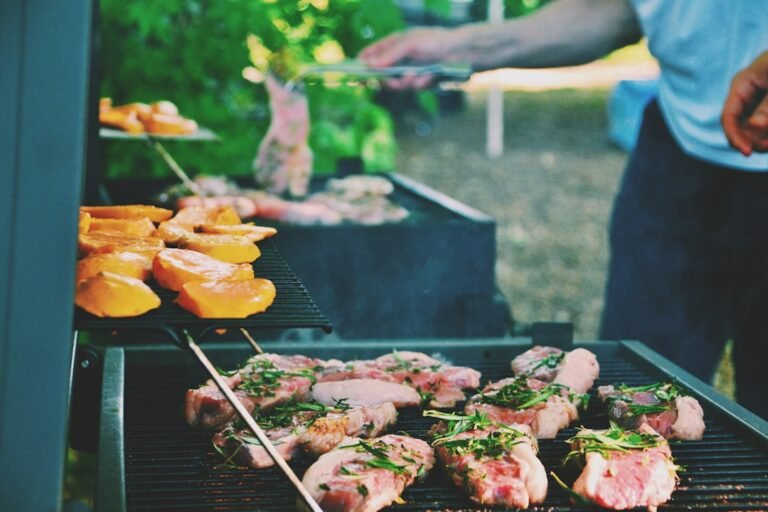
Electric grills are fantastic for direct grilling of meats. The even heat allows for great searing and juicy results.
Burgers: The Electric Grill Staple
Burgers are practically made for electric grills. They cook relatively quickly, and the even heat ensures they’re cooked through without drying out too much. Don’t overcrowd the grill, give them space.
Steaks: Achieving a Great Sear
For steaks, you’ll want to preheat your grill to its highest setting. Get those beautiful grill marks by placing the steak on the hottest part of the grill and leaving it undisturbed for a few minutes before flipping. Don’t be afraid to use an instant-read thermometer to ensure you reach your desired doneness.
Chicken and Pork: Safety First
Ensure chicken and pork are cooked thoroughly to safe internal temperatures. Electric grills make this easier due to consistent heat. For chicken, aim for 165°F (74°C), and for pork, 145°F (63°C) followed by a rest.
Seafood: Delicate and Delicious
Seafood can be a bit trickier, as it cooks quickly and can go from done to overdone in seconds.
Fish Fillets: Watch the Clock
Thicker fish fillets (like salmon or tuna) do well on medium-high heat. Thinner fish or shrimp might need a slightly lower temperature to prevent burning. A good rule of thumb is to grill until the fish is opaque and flakes easily with a fork.
Shrimp and Scallops: Quick and Easy
Shrimp and scallops are super fast. Keep an eye on them; they’re usually done when they turn pink (shrimp) or opaque and slightly firm (scallops). Don’t overcook them!
Vegetables: Flavorful and Healthy
Grilling vegetables brings out their natural sweetness and adds a wonderful char.
Veggies that Love the Heat
Heartier vegetables like bell peppers, onions, zucchini, corn on the cob, and asparagus are perfect for grilling. They can handle the direct heat and caramelize beautifully.
Marinates and Oils are Your Friends
Toss vegetables in a little olive oil and your favorite seasonings before grilling. Marinades can add even more flavor and help prevent sticking.
Timing is Everything
Vegetables will cook at different rates. Keep an eye on them and remove them as they become tender-crisp.
Techniques for Better Grilling
Beyond prep and food choices, specific techniques can elevate your electric grilling game.
The Art of the Sear
Getting that golden-brown crust is what grilling is all about for many.
High Heat for Maximum Sizzle
For most meats and thicker vegetables, preheating to the highest setting is crucial for a good sear. You want that immediate sizzle when the food hits the grates.
Don’t Move it Too Soon!
Resist the urge to constantly move your food. Let it develop a crust for a few minutes on each side before flipping. This is what creates those lovely grill marks and that satisfying texture.
Managing Flare-Ups (Even Without Flames)
While electric grills don’t have traditional flare-ups from dripping fat igniting open flames, you can still get smoking and burning if too much grease builds up.
Cleanliness is Your First Defense
As mentioned, a clean grill is your best bet. Regularly empty and clean the drip pan.
Fat Trimming
For fattier cuts of meat, consider trimming some of the excess fat before grilling. This reduces the amount of grease that can drip and smoke.
Keep a Water Spray Bottle Handy
If you notice excessive smoke from grease buildup (rather than just the normal cooking smell), a quick spritz of water can help momentarily dampen the smoke. Don’t douse it, though, as this can lower the grill’s temperature.
Using Marinades and Rubs Effectively
These are flavor boosters that work wonders on an electric grill.
Marinades: Tenderizing and Flavoring
Marinades, especially those with acidic components like citrus or vinegar, can help tenderize meat. Marinate for the recommended time (usually 30 minutes to a few hours) and then pat your food dry before grilling to ensure a good sear. Excess marinade can lead to steaming rather than searing.
Rubs: A Dry Flavor Bomb
Dry rubs are excellent for adding layers of flavor. Apply them generously to your food before grilling. They create a delicious crust as they cook.
If you’re considering upgrading your outdoor cooking experience, you might find it helpful to read an article about the benefits of using an electric grill. These grills offer convenience and efficiency, making them a great choice for both novice and experienced cooks. For more insights on how to choose the right grill for your needs, check out this informative piece on electric grills.
Specific Foods and Tips
“`html
| Feature | Description |
|---|---|
| Power | 1500 watts |
| Cooking Area | 200 square inches |
| Temperature Control | Adjustable thermostat |
| Cleaning | Removable drip tray |
| Material | Stainless steel |
“`
Let’s dive into some specific food items and how to make them shine on your electric grill.
Kebabs: Easy and Versatile
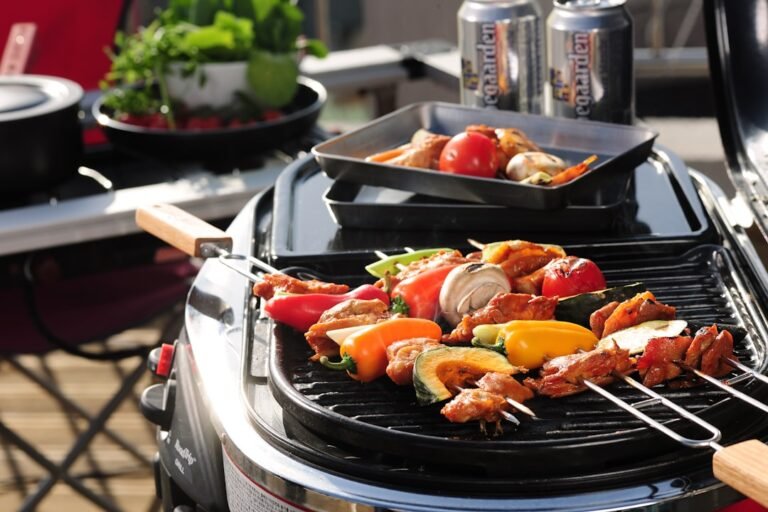
Kebabs are fantastic for electric grills because they allow for even cooking of smaller, bite-sized pieces.
Skewer Smartly
Thread your ingredients onto skewers, ensuring similar-sized pieces so they cook at roughly the same rate. Alternate meats, vegetables, and even fruits for interesting flavor combinations.
Marinate for Extra Oomph
Marinate your kebab ingredients beforehand for maximum flavor.
Watch for Burning
Because the pieces are smaller, watch kebabs closely to prevent burning, especially if you have vegetables like onions or peppers interspersed. Rotate them frequently for even charring.
Pizza: A Surprising Delight
Yes, you can grill pizza on an electric grill, and it’s surprisingly good!
Pre-Cook the Dough
Lightly oil and grill one side of your pizza dough for a few minutes until slightly golden. Then, flip it over.
Top and Finish
Add your sauce, cheese, and toppings to the grilled side. Close the lid and let it cook until the cheese is melted and bubbly and the bottom is nicely crisped.
Lower Heat Might Be Needed
Depending on your grill’s heat, you might need to use a medium setting to avoid burning the crust before the toppings are cooked.
Fruits: Sweet and Smoky
Grilling brings out the natural sugars in fruits, creating a delicious caramelized treat.
Sturdy Fruits Work Best
Fruits like pineapple, peaches, plums, and even watermelon do well on the grill.
Brush with Oil or Butter
Lightly brush the cut sides of the fruit with oil or butter and a sprinkle of sugar or cinnamon if desired.
Grill Marks Mean Flavor
Grill each side for a few minutes until you see nice grill marks and the fruit is softened. Serve warm with ice cream or yogurt.
Beyond the Basics: Advanced Electric Grilling
Once you’re comfortable, there are ways to push your electric grill’s capabilities.
Using Smoker Boxes
For a hint of smoky flavor without the full charcoal setup, you can use a smoker box designed for electric grills.
How They Work
These small metal boxes are filled with wood chips or pellets. They sit on the grill grates (usually close to the heating elements) and smolder, releasing smoke.
Experiment with Wood Types
Different wood types (hickory, mesquite, applewood) impart different flavors. Experiment to find your favorites.
Manage Smoke Levels
Start with a small amount of wood chips and monitor the smoke. Too much can overpower your food.
Grilling with Cast Iron
Your electric grill can become a versatile cooking station with the addition of cast iron.
Skillets and Griddles
Cast iron skillets or griddles can be placed directly on the grill grates. This is perfect for cooking items that might fall through the grates, like smaller vegetables or delicate fish.
Searing is Even Better
Cast iron holds heat exceptionally well, leading to even better searing than on the grates alone.
Treat Your Cast Iron Well
Remember to season and care for your cast iron properly to prevent rust and maintain its non-stick properties.
Achieving Different Textures
While electric grills excel at searing, you can also achieve other textures.
Indirect Grilling (If Possible)
Some electric grills have a temperature control that allows for lower settings or a “keep warm” function. If you can achieve a lower, more indirect heat, you can use it for gentler cooking. For example, after searing a thick steak, you might move it to a cooler part of the grill (if your grill allows for that) or use a lower setting to finish cooking without burning the outside.
Roasting Under the Lid
If your electric grill has a lid, use it! This traps heat and creates a more oven-like environment, perfect for roasting vegetables or finishing thicker cuts of meat.
Mastering your electric grill is an ongoing process, but by focusing on these practical tips and understanding how your grill works, you’ll be creating delicious, perfectly grilled meals in no time. Happy grilling!